 |
Basket
0 items, £ 0.00

Why Tea Cosies?
Tea cosies occupy a small but enduring corner of British domestic life; they sit quietly on the table, keeping the pot warm while the conversation carries on. They are practical objects, but they are also cultural ones. A tea cosy says something about the home it belongs to; it reflects the personality of the knitter, the tastes of the owner, and the traditions of the place where it is used.
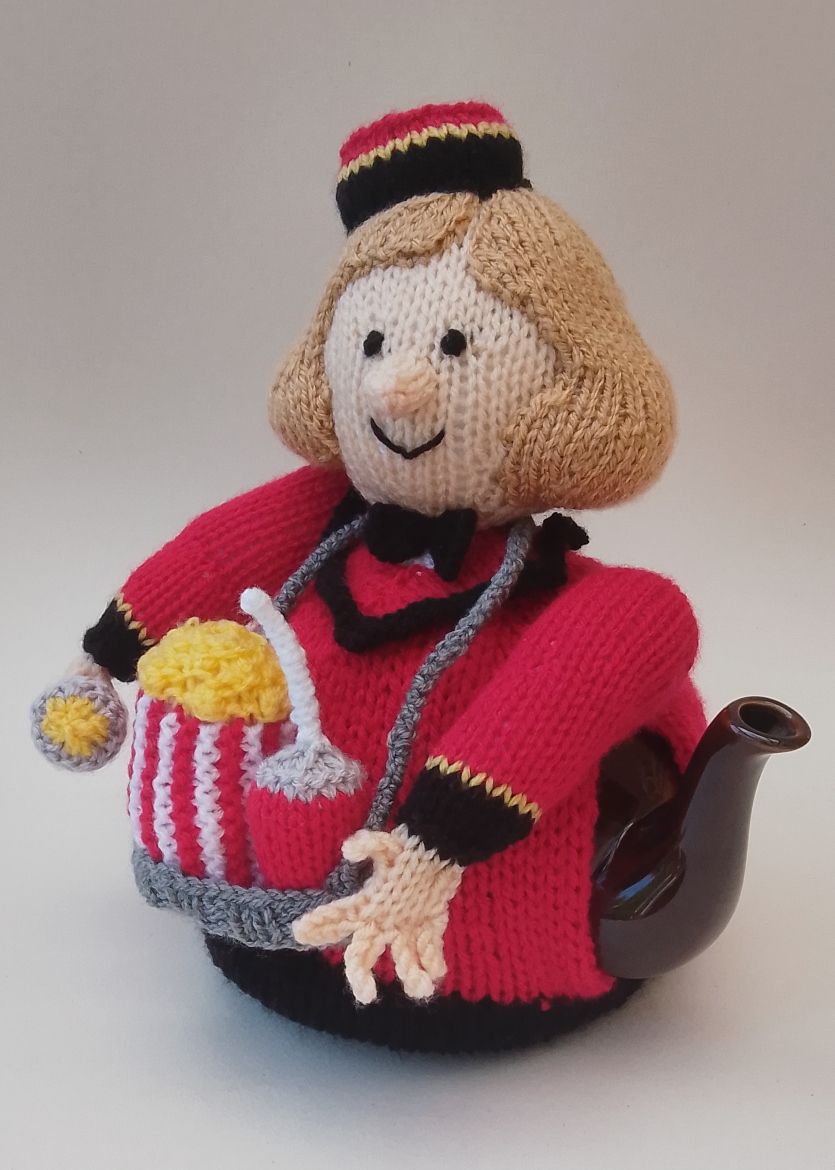 They are practical objects, but they are also cultural ones. A tea cosy says something about the home it belongs to; it reflects the personality of the knitter, the tastes of the owner, and the traditions of the place where it is used.
The purpose of a tea cosy is simple: to keep the tea hot. Before insulated kettles and double‑walled teapots, a pot of tea cooled quickly. A cosy solved the problem. It allowed the pot to stay warm through a second cup, sometimes a third, and it made the ritual of tea more leisurely. The cosy became part of the rhythm of the table; it was put on, taken off, and put back again. It was handled, noticed, and remembered.
Over time, tea cosies became decorative. A plain wool cover did the job, but knitters began to add colour, texture, and shape. The cosy became a place to experiment. It was small enough to finish quickly; it was large enough to show off a design. Families often had more than one cosy, each with its own character. Some were traditional; some were humorous; some were made for special occasions. The cosy moved from being a household item to being a small piece of domestic art.
Character tea cosies developed from this tradition. Once knitters realised the cosy could be shaped, it became a canvas for imagination. Animals, people, plants, and scenes appeared on teapots across Britain. These designs were not merely decorative; they were conversation pieces. They made guests smile. They made the table feel more welcoming. They turned an everyday object into something with personality.
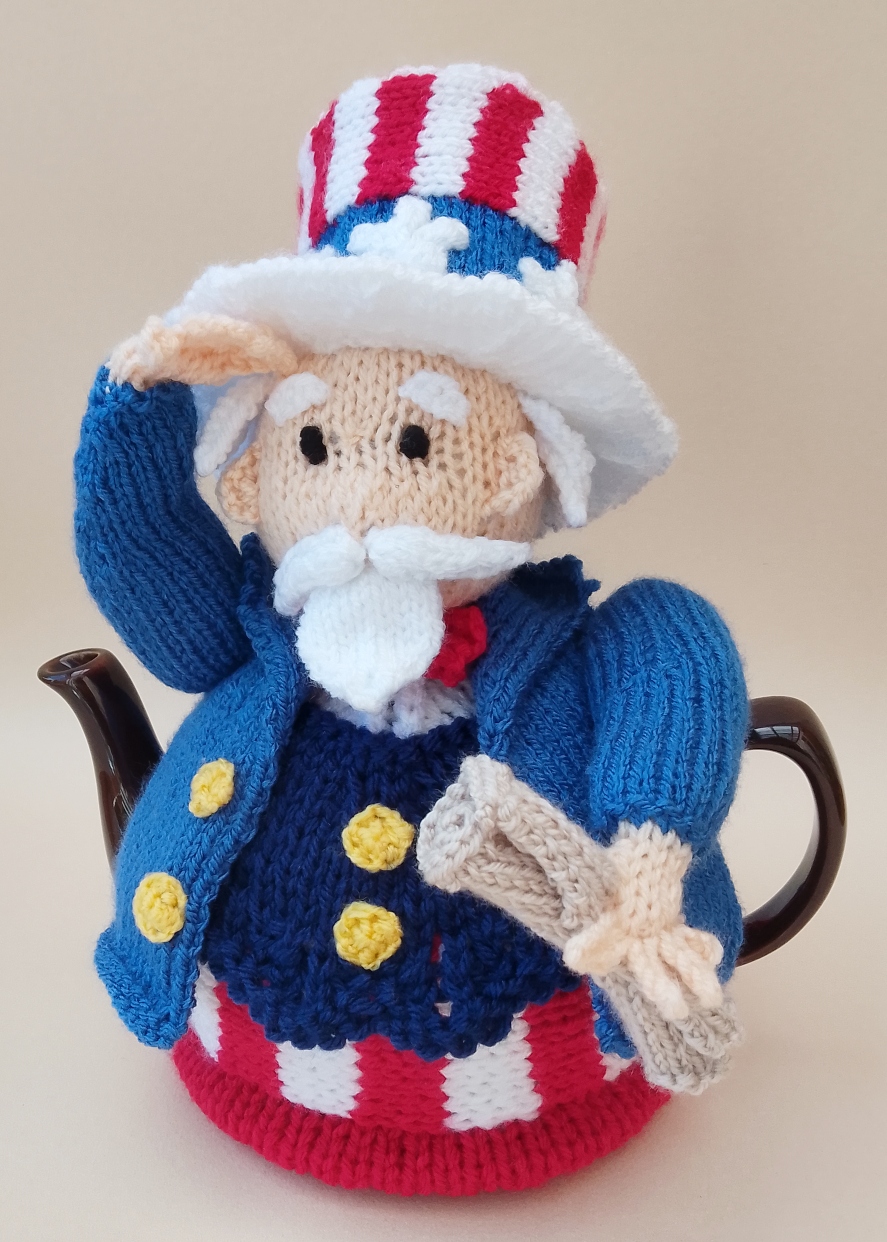 Tea cosies also have a place in British heritage. They belong to the same world as knitted toys, embroidered samplers, and handmade household goods. They represent the value placed on craft, thrift, and creativity. A tea cosy is a reminder that ordinary objects can be made beautiful; that skill can be applied to the simplest things; and that domestic life has its own quiet traditions.
In the present day, tea cosies continue to appeal because they combine usefulness with charm. They are practical, but they are also expressive. They allow knitters to create something that is both functional and playful. They are collected, given as gifts, and kept for years. They are part of the British tea ritual, which remains one of the most recognisable cultural habits in the country.
TeaCosyFolk sits within this tradition. The designs are characterful, imaginative, and rooted in the idea that a tea cosy can be more than a cover; it can be a companion on the table. Each cosy has its own identity; each one tells a small story. The brand continues the long line of British novelty cosies, but with a modern sense of humour and a distinctive style. It keeps the tradition alive by making it fresh.
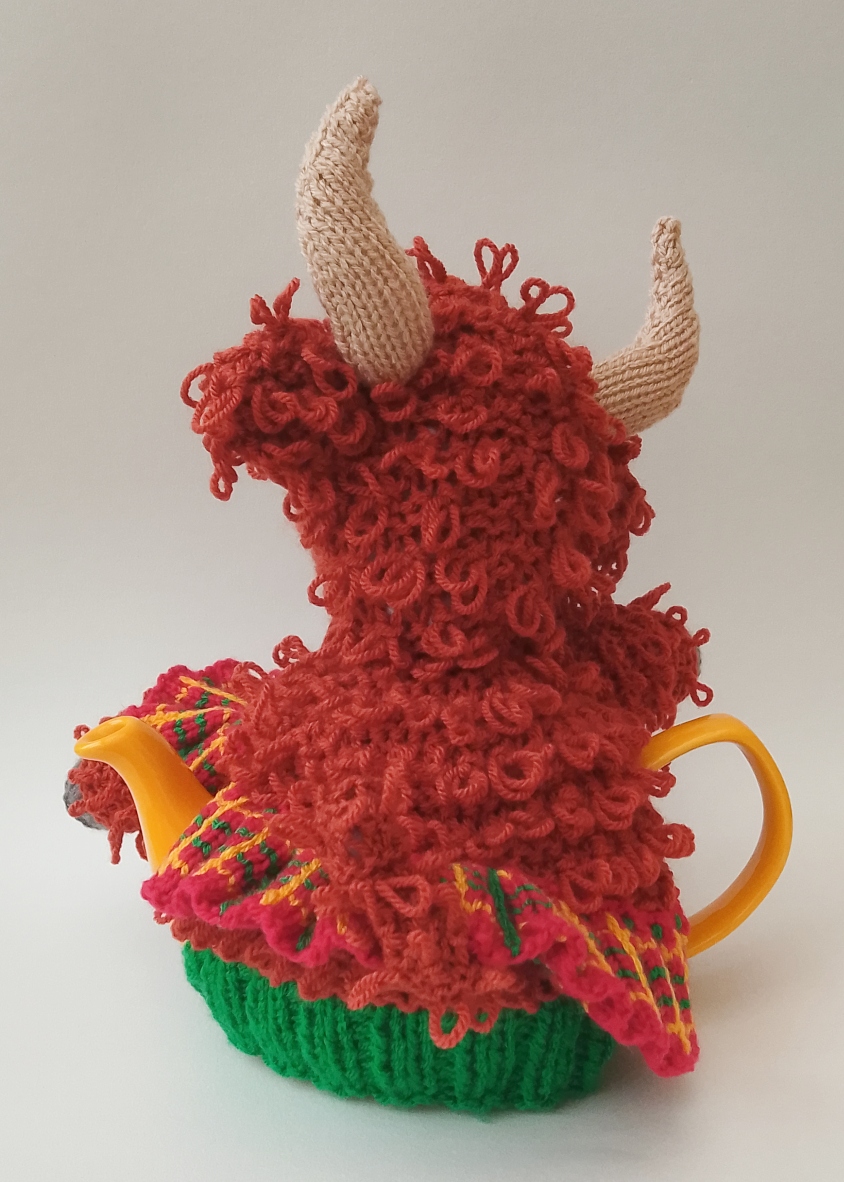 Tea cosies endure because they are simple, useful, and expressive. They belong to the past, but they fit easily into the present. They are part of the domestic landscape; part of the tea ritual; part of the craft heritage. That is why tea cosies matter, and why they continue to be made, collected, and enjoyed.
If you enjoy the tradition of British tea cosies, you can knit your own character cosy from the TeaCosyFolk collection. Each design continues the heritage of novelty and decorative tea cosies. This week’s featured pattern is the Venus Flytrap cosy:
Tags: tea cosy design