 |
Basket
0 items, £ 0.00

How to Design a Tea Cosy A Guide for Crafty Creators
As a passionate tea cosy designer, one question pops into my inbox time and again: How do you design a tea cosy? So this article is steeped in answers; ideal for knitters keen to create something snug, stylish, and utterly unique.
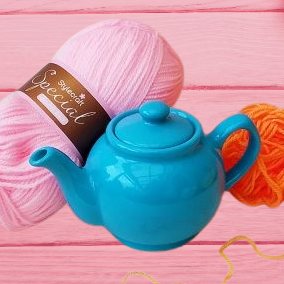
The Cosy Companion Guidebook’s Guide to How to Design a Tea Cosy
Every tea cosy begins with an idea; a burst of inspiration. Maybe it's a favourite animal, a character from history, or simply something seasonal. Once that spark strikes, I dive into research. Picture searches online are brilliant for exploring features, shapes, and personalities that you might want to knit into life.
Whether you’re planning a frog in a raincoat or a Victorian lady with a bustle, visual research helps narrow the focus and grounds your concept.
Sketch Your Vision
Sketching is my go-to step for filtering ideas. It doesn’t have to be perfect (mine certainly aren’t!) but a quick drawing helps simplify the design, spotlight key features, and determine what’s realistic. You can’t knit everything into one cosy, so this process helps decide what truly matters.
And if sketching feels intimidating, remember: no one but you needs to see it.
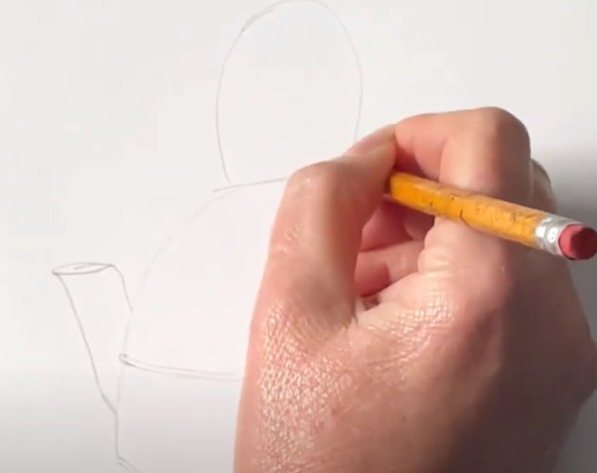
Draw out your thoughts and ideas. Once your design is on paper it clarifies the design.
Consider the Teapot Size
Tea cosies are custom by nature. When you’re designing from scratch, the teapot size is your canvas. A 6-cup pot gives far more room for detail and embellishments than a compact 2-cup model. Teapot dimensions will shape:
*Your stitch and row count
*The density of your design elements
*Embellishment potential (hats, toes, embroidery, etc.)
It’s worth measuring the pot early on to avoid redesigning halfway through.
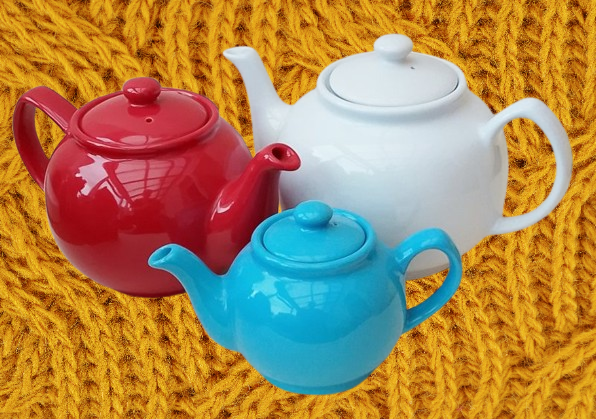
Consider the Teapot Size. The teapot size is your canvas.
Choose the Right Yarn
Yarn selection is crucial; not just for warmth, but for structure and stitch definition. Here are some key points to consider:
Thicker yarns (like chunky or aran) offer insulation and speed, but limit fine detail.
Thinner yarns (like DK or 4-ply) allow more stitches and rows, ideal for Fair Isle or intricate features.
Fibres matter
Acrylic can be shaped and set with heat; great for standing features and sculptural elements.
Cotton tends to droop and soften, better suited to flowing shapes.
Wool blends balance warmth and flexibility.
Also factor in price, availability, and durability. A luxurious yarn might be perfect for a gift, but not practical if you're designing for daily kitchen wear.
Yarn Meets Design
Once your design and yarn are paired up, double-check whether the fibres will behave the way you need. A standing hat, upright ears, or firm feet may need structure. A lined cosy can compensate for lighter yarns if warmth is a priority.
Final Thoughts Before You Cast On
Designing a tea cosy blends creativity, practicality, and a healthy dose of imagination. As you step into the process, remember:
*Start with the concept
*Refine it visually
*Shape it to fit your teapot
*Match it with the right yarn
*Think through how details will behave when knitted
And most of all, enjoy it. Tea cosy design is storytelling in stitches; each row adds personality, comfort, and joy.
Mini Sized Tea Cosy Designs and Larger sized Tea Cosy Designs.
Tags: yarn