 |
Basket
0 items, £ 0.00

The Cultural Meaning of Knitted Household Items
Knitted household items have always carried more than warmth or decoration; they hold memory, identity, and the stories of the people who made them. From poverty‑era necessity to modern creative expression, knitted objects in the home reveal how domestic craft has shaped British life for generations.
This article contains a sponsored link to Crazypatterns.Knitting as a Keeper of People and Memory
There is something unmistakably comforting about having knitted items around the home. No matter who uses them most, they always make you think of the person who made them. A mat under a potted plant becomes grandma’s mat. A cushion stitched decades ago becomes auntie’s cushion. These objects don’t just sit quietly in the house; they carry the presence of the maker with them.
Knitted household items become sentimental because they are touched, held, washed, repaired, and lived with. They absorb family stories. They become part of the rhythm of domestic life. Even the simplest piece; a pot holder, a blanket square, a tea cosy, becomes personal because someone spent their time and skill creating it.
This emotional connection is one of the strongest cultural meanings knitted household items hold: they are physical reminders of care.
When Knitting Was a Necessity, Not a Hobby
 Knitted items first arrived in homes because making things was cheaper than buying them. In the early twentieth century, many families lived in absolute poverty. In one autobiographical account of a girl growing up in 1930s Liverpool, her family could not afford school clothes or shoes. A neighbour bought a worn‑out second‑hand jumper, unravelled it, and re‑knit the yarn into several pairs of gloves as Christmas presents for the children. Nothing was wasted. Yarn was precious, and natural fibres could be unravelled and reused.
During the Second World War, the 'make do and mend' ethos encouraged families to recycle everything. Jumpers were unravelled, socks were darned, blankets were patched, and every scrap of wool found a second life. Knitting was not a hobby; it was survival.
Many families have stories like this. My own grandmother once unravelled the raglan shaping of an old cable jumper, leaving herself with a perfect square. She crocheted around it and turned it into a beautiful blanket. The jumper had been worn, loved, and eventually transformed into something new. That blanket still exists, carrying the story of the garment it once was.
These objects were not decorative. They were practical, economical, and essential. Their cultural meaning came from thrift, resourcefulness, and the ability to make something from almost nothing.
From Beer to Tea: How Tea Cosies Entered British Culture
Tea cosies are one of the most culturally distinctive knitted household items in Britain, but their story begins long before knitting patterns and cosy competitions.
Britain was not always a nation of tea drinkers. For centuries, people drank beer because water was unsafe. Brewing killed parasites, so beer was the everyday drink. Everything changed when King Charles II married Catherine of Braganza of Portugal. She brought her love of tea to England, and what the aristocracy embraced soon filtered down through society as people tried to elevate their social standing.
Tea was safe because the water was boiled. It became a symbol of refinement, hospitality, and domestic ritual. As tea drinking spread, so did the accessories that supported it; including the tea cosy. Over time, tea cosies quietly embedded themselves into British domestic culture. They became part of the ceremony of tea, part of the rhythm of the home, and part of the identity of British domestic life.
Even in the 1940s and 50s, when tea cosies were mostly functional, people still added pompoms, flowers, or stripes. Decoration crept in. Today, tea cosies have evolved into flamboyant, sculptural works of art. They are no longer just about keeping tea hot; they are about joy, storytelling, and creativity. Many people mash tea in a mug now, but the cultural meaning of the tea cosy remains a symbol of British domestic tradition and the pleasure of making something exciting and playful for the home.
Knitted Items as Expressions of Identity
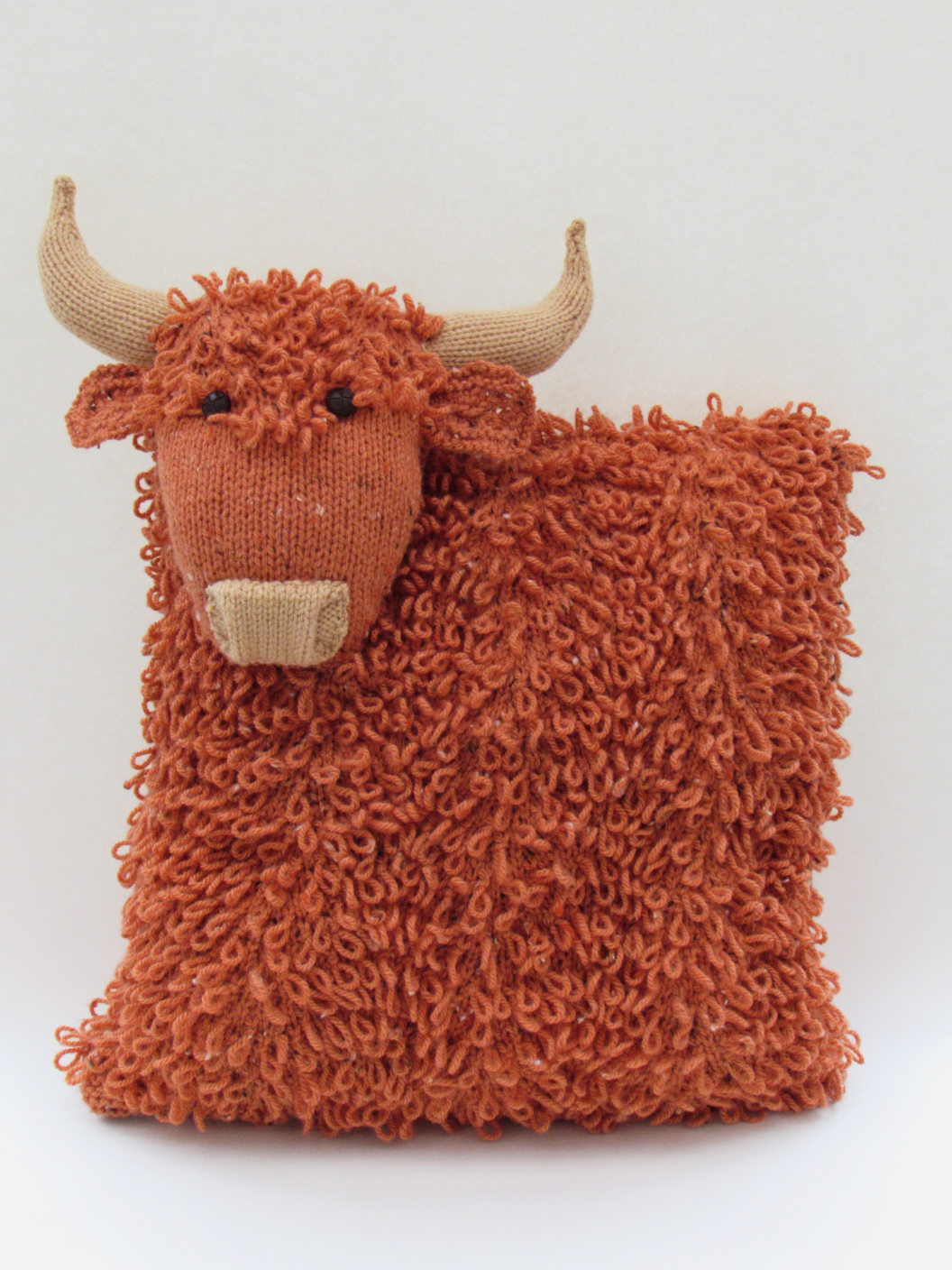 Knitted household items say something about the maker. The pattern they choose, the colours they select, the neatness of the sewing up; all of it reflects personality. Crafting for the home is deeply subjective. Some people prefer understated designs; others lean into bold colours or playful shapes. Modern knitters cover everything: book covers, photo frames, pencil toppers, chair leg socks. Nothing is safe from the hobbyist knitter.
One of the most touching examples of knitted items carrying identity comes from my own home. My son had a special red jumper; just an ordinary shop‑bought jumper, but he wore it during many important life moments: exam results, his proposal, and other milestones. One day I washed it at the wrong temperature and spoiled it. He was upset, not because of the jumper itself, but because of the memories attached to it.
So for Christmas, I turned the jumper into a cushion cover with a zip. The jumper gained a new life, a new purpose, and an extended story. It still holds the memories, and he can keep it forever. This is the cultural meaning knitted household items carry: they preserve identity and emotion.
From Practicality to Pleasure
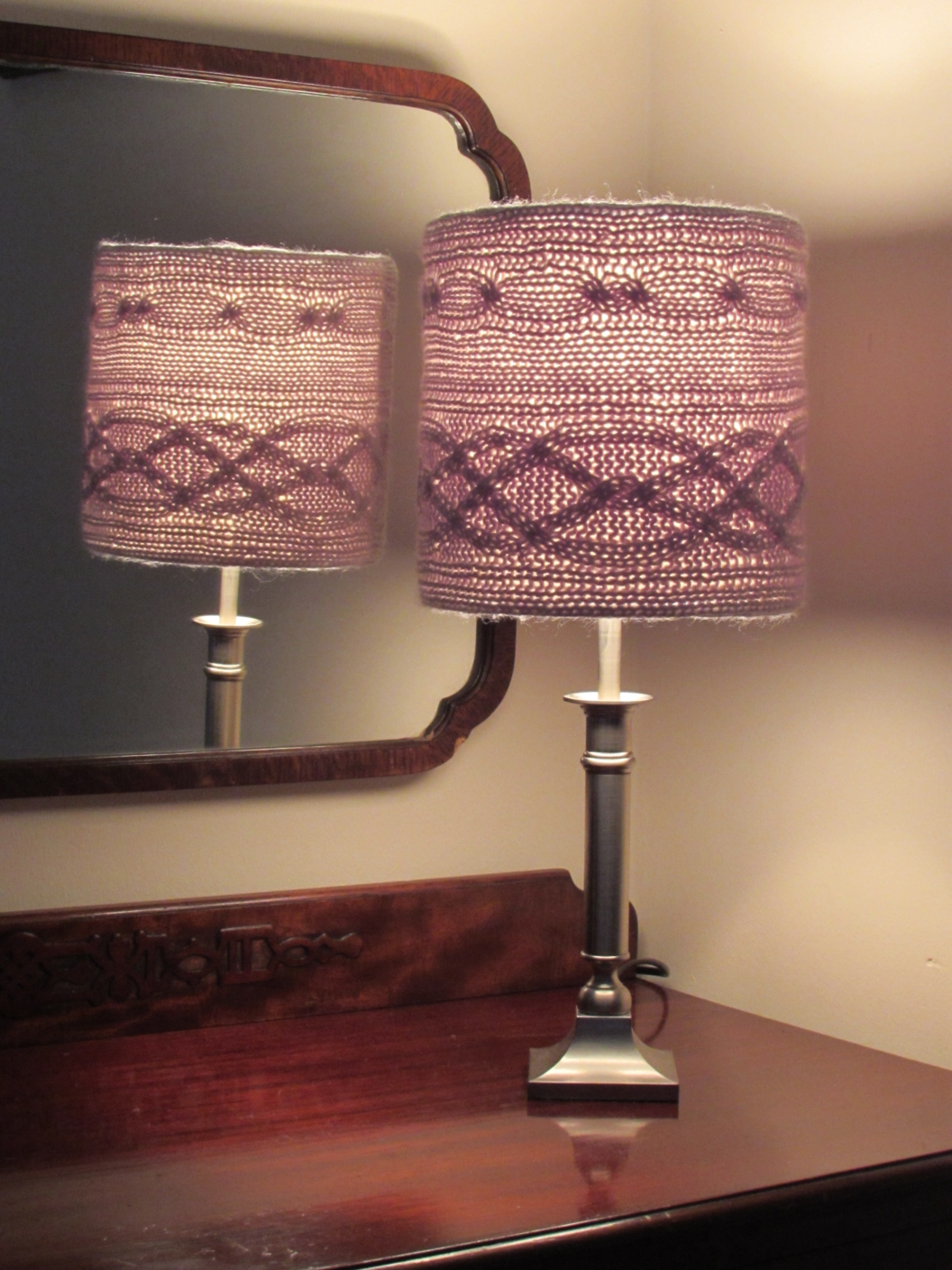
The role of knitted household items has changed dramatically over the years. What was once a money‑saving necessity has become a pleasurable activity. Today, people knit cushions, blankets, lampshades, and decorative pieces simply because they enjoy the process. Affluence and free time have allowed knitting to shift from survival to creativity.
Modern knitted household items lean more into decoration than serviceability. They are expressions of joy, imagination, and personal style. They show how domestic craft has evolved into a form of art.
The Future of Knitted Household Items
The future of knitted household items will always reflect the economy. In affluent times, knitted items can remain impractical, off‑beat, outrageous, luxurious, and symbolic of creativity. If the economy tightens, knitted items may revert to basic practicality, focusing on function, affordability, and simplicity. Patterns will adapt, materials will change, and designers will find new ways to meet the moment.
Whatever the future holds, knitted household items will continue to carry cultural meaning. They will always hold stories, memories, and identity. They will always connect us to the people who made them.
Further Exploration
If you’d like to explore knitting patterns that keep these traditions alive, you can find many inspiring designs at:
Crazy Patterns.
Tags: wartime knittin