 |
Basket
0 items, £ 0.00

How to Stop Stuffing Showing Through Your Knitting Knitted Toy and Tea Cosy Tips
Discover how to stop stuffing showing through your knitting with simple fixes for loose stitches, tension issues and over stuffing. Learn the best yarn choices, stuffing techniques and lining tricks to keep knitted toys and tea cosies looking smooth and professional.
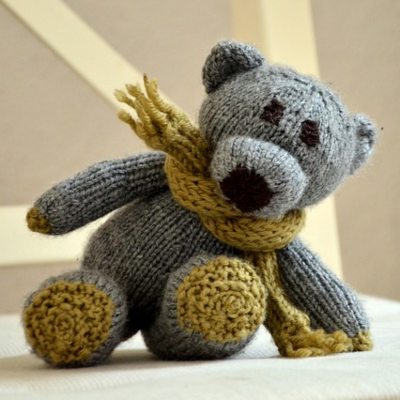
How to Stop Stuffing Showing Through Your Knitting
Tips and techniques for yarn choice, tension, stuffing methods and clever fixes to keep your toys and tea cosies looking their best.
Start with the yarn
It starts with the yarn. Not all yarns are of the same quality or thickness. So next time your in the yarn shop, cop a feel of two different brands of double knitting yarn. Don't just grab the balls, you need to roll a strand between your thumb and forefinger. It's amazing how sensitive your fingertips are and you will spot that some DK yarns are thicker and thinner then others.
Knitting pattern designers always tell you which yarn they have used when designing the project and they do this so that you can use the same yarn, so that when you begin, you will be working to replicate the picture on the pattern. If you choose a yarn that is thinner than the suggested yarn, you will get different results and this might be what's causing the stuffing to be visible in your projects.
Check your tension
If you are using the suggested yarn but can still the stuffing through your knitting, check your tension. I know tension squares are boring and people tend to avoid them like the plague, but seriously, if you are having reoccurring visible stuffing issues, this might be a gamechanger, especial if you know that you have a tendency to be a loose knitter.
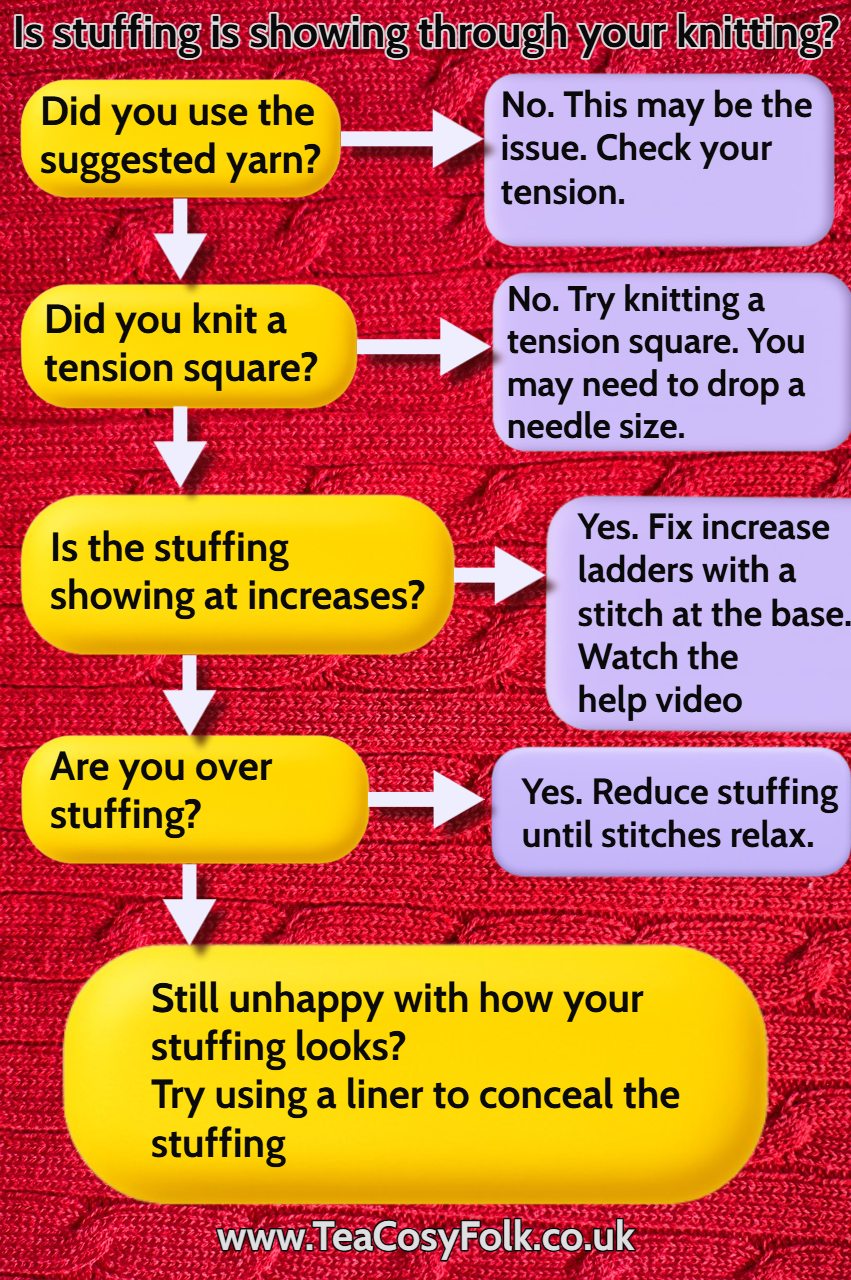
A simple step by step guide to help you diagnose yarn, tension and stuffing issues so your toys and tea cosies stay neat on the right side of the work.
What you can do to tighten the stitches is to use a smaller knitting needle, just drop one size and knit the square again. Repeat the process if necessary to achieve the desired tension and all your showing stuffing worries will melt away.
Look at your stuffing technique
If you are still seeing stuffing through your knitting and your using the suggested yarn and knitting to the same tension as the pattern says, maybe its your stuffing technique. Knitting in acrylic yarn means that your knitting is super stretchy. Knit yourself a small ball and stuff it so hard that you can't possible get anymore into it, then take a look at those poor stressed out stiches on the right side of the work. If you are stuffed your knitted parts make the stitches look this stressed, you are over stuffing.
You will always see through the stitches a little bit, because the nature of knitting means that they are holes, but don't allow your stuffing to pull the stitches further apart that they would naturally want to be.
Use a liner to hide the stuffing
If you are still unhappy about how your knitting looks when stuffed you can use something as a liner, the toes of old tights and stockings are good, push that inside the knitted part and put your stuffing inside that to conceal the stuffing. The great thing about old tights and stocking is that they come in a wide variety of colours from white to black so you can get a colour that is the same shade as your knitting to blend the stuffing's colour with your yarn.
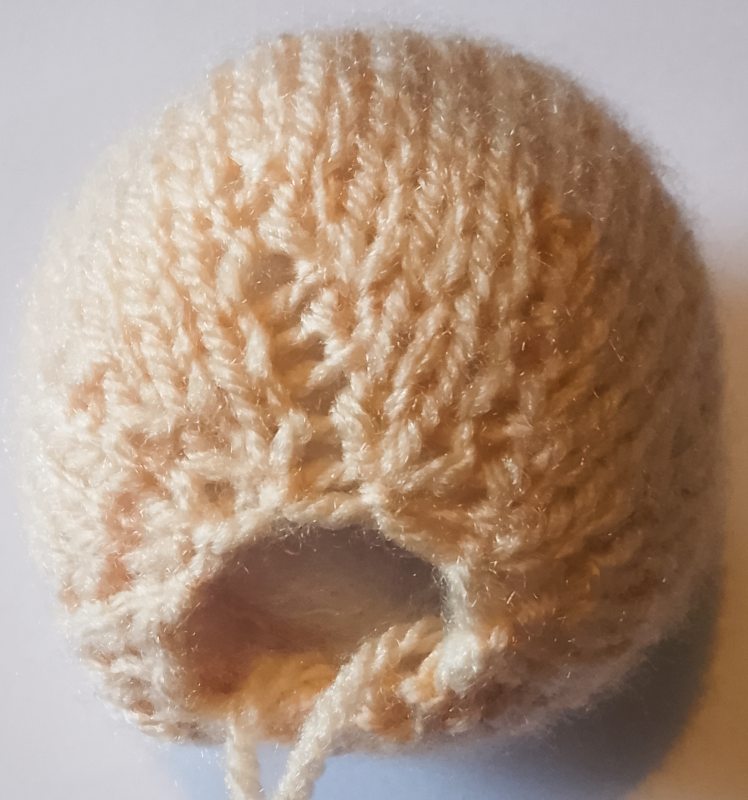
A close view of how increase rows can create ladders and how simple stitching can close them so the stuffing stays hidden.
Fixing visible stuffing at increase points
Sometimes the tricky area when stuffing can be seen through the knitting is when there is a few rows on increases, such as on heads. When you have an increase row on every other row over a number of rows it great gradual shaping that is ball shaped, but it does leave what looks like a ladder in the work.
I do find this mainly on heads, but it can occur on other similar shaped items too. If your stuffing looks ok on the rest of the head and only is visible at the increase point you can correct this when you sew the head to the body. At the bottom of the ladder, which is usually towards the case on edge, if you sew a stitch through that bottom stitch it will pull that stitch together and then if you stroke the ladder line above they will all close up and bingo, they're gone. I demonstrate this in the help video below, forward to 3:47 to see the bit about closing the ladders.
This video shows how to close the ladder line on knitted pieces so the shaping looks smoother and the stuffing is less visible. By securing the bottom stitch and easing the stitches above, the line closes neatly for a tidy finish on toys and tea cosies.
I hope these stuffing tips help to make your stuffing less visible. For more knitting tips visit the TeaCosyFolk Tips Page.
Frequently Asked Questions
Why is my stuffing showing through my knitting
Stuffing can show when the yarn is thinner than the pattern yarn, the tension is looser than the designer intended or the piece has been over stuffed. Checking yarn thickness, knitting a tension square and adjusting your stuffing technique usually solves the problem.
How do I stop holes appearing in my knitted toys
Holes often appear when stitches are stretched by firm stuffing or when increase rows create small gaps. Knitting with a firmer tension and closing any ladder lines when sewing up will help keep the fabric smooth.
What yarn is best for knitting toys and tea cosies
Most toy and tea cosy patterns are designed for double knitting acrylic because it is strong, washable and affordable. Using the same yarn brand as the pattern gives the most reliable match to the photos.
Should I knit toys with tighter tension
A slightly firmer tension helps the fabric stay dense so the stuffing stays inside. If your tension square knits up larger than the pattern gauge, try using a smaller needle size to tighten the stitches.
How much stuffing should I use in knitted toys
Use enough stuffing to give shape but not so much that the stitches look strained. If the fabric looks stressed or the holes widen, remove a little stuffing until the surface looks smooth again.
Can I hide stuffing by using a liner
Yes, using the toe of an old pair of tights or stockings inside the knitted piece can disguise the stuffing. Choose a colour close to your yarn so the liner blends in and keeps the right side looking neat.
Why does stuffing show at increase points
Increase rows can create a ladder line that opens slightly when the piece is stuffed. You can close this neatly when sewing up by securing the bottom stitch and easing the stitches above so the line disappears.
Knitting is a handmade craft and even the neatest knit wear will always have tiny gaps between the stitches. Sometimes we can be our own worst critics and expect a level of perfection that simply does not exist in real life. Even the most experienced knitters will see a hint of stuffing through the fabric now and again. Next time you are at a craft fair, a charity shop or a knit and natter, take a moment to look closely at a knitted toys on display. Notice how the stitches sit and how the stuffing looks beneath them, and ask yourself if you are trying to achieve something that no one else is achieving either. You might find that your work is already far better than you think.
Tags: visible stuffi