 |
Basket
0 items, £ 0.00

Cosy Companion Guidebook
The Cosy Companion Guidebook is the complete reference hub for TeaCosyFolk knitting patterns. It brings together all the techniques, construction methods, abbreviations and step‑by‑step explanations used across the designs, making it the place to start if you’re learning how to knit a tea cosy or want help assembling character pieces. From shaping and seaming to stuffing, finishing, picking up stitches and understanding row structure, the guidebook answers the most common questions knitters ask when making TeaCosyFolk patterns.Whether you’re new to knitting or returning after a break, the Cosy Companion Guidebook gives you clear, practical guidance so you can knit confidently. Experienced knitters will find detailed technique breakdowns, troubleshooting tips and support for more sculptural designs. With photo examples, technique notes and links to helpful tutorials, it’s designed to make every stage of tea cosy knitting easier. Updated regularly, it’s the essential resource to bookmark for all TeaCosyFolk projects.
What This Guidebook Covers
The Cosy Companion brings together the core techniques used across TeaCosyFolk patterns, including shaping, seaming, stuffing, picking up stitches, attaching character pieces, understanding row structure, and using the ditch technique. It’s designed to answer the questions knitters ask most often and to support you through every stage of making a tea cosy.
Knitting Know-How & Cosy Chronicles
Explore our library of tea cosy knitting guides, technique tutorials and behind‑the‑scenes cosy stories; packed with practical tips, construction help and inspiration for knitters of all levels.
Watch & Stitch: Video Tutorials
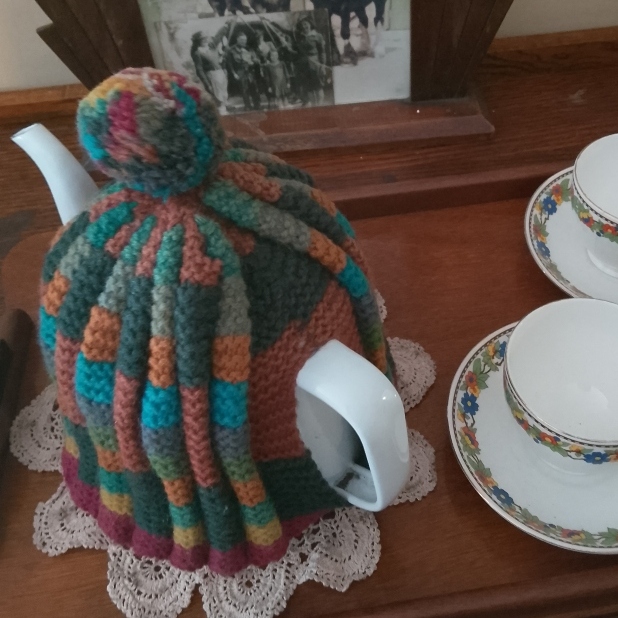
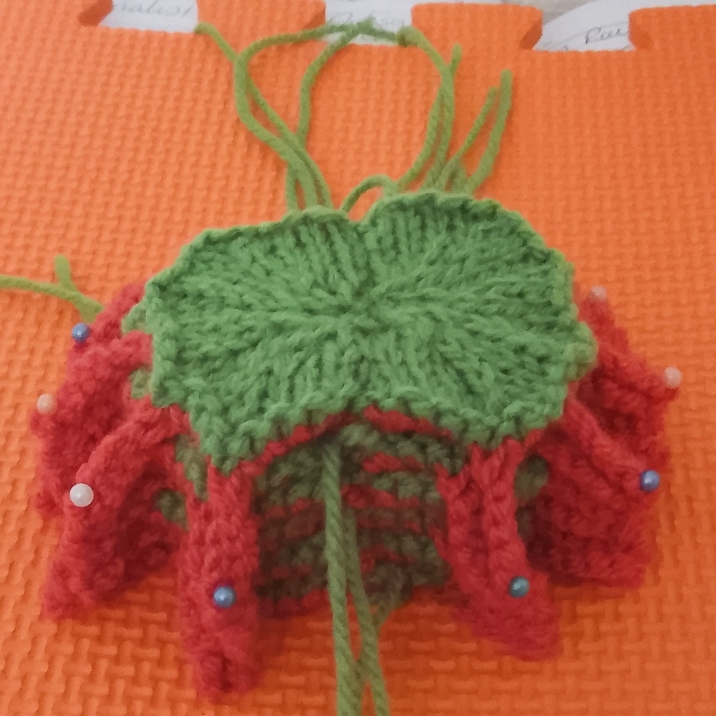
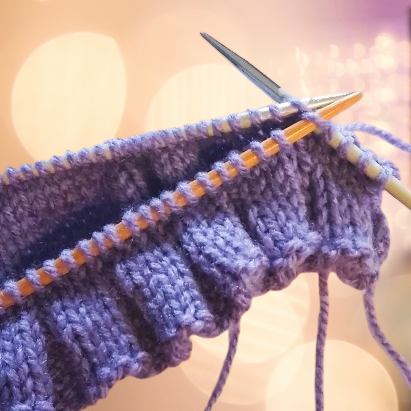
Prefer to learn by watching? Our bite-sized videos walk you through techniques, fixes, and finishing touches — all in a friendly, accessible format.
Further reading
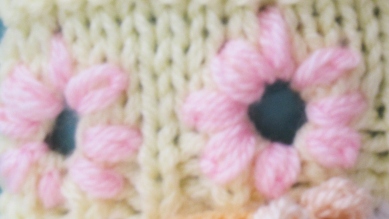
How to Lazy Daisy Stitch Around a Hole
Crafting Tea Cosies Through Time at Beamish Museum
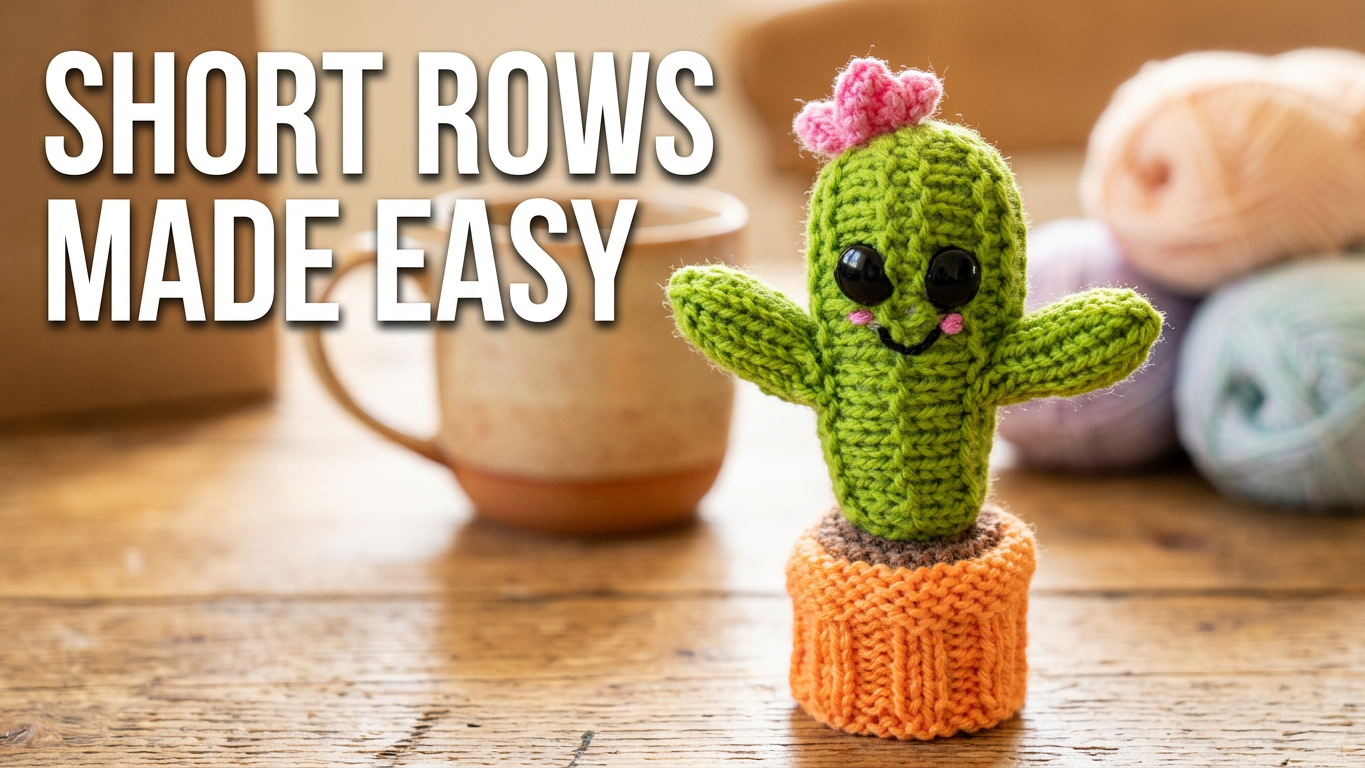
Learn Short Rows the Fun Way with the TeaCosyFolk Cactus Tutorial
Blocking, Washing and Long Term Care - What Really Happens After the First Block
Innocent Smoothie Cup and Saucer Hat - Knitting Pattern Tutorial
Finishing Touches - The Small Details That Make a Tea Cosy Stand Out
How to Knit Expressive Faces - Eyes, Mouths and Character Expression
How to Knit the Little Covid Virus for the Boris Johnson Tea Cosy
Why Tea Cosies Matter - A Short Guide for New Tea Drinkers and Curious Makers
Easter Terry’s Chocolate Orange Cosies Tutorial for Knitters
The History of Tea Cosies; How Britain’s Favourite Brew Shaped a Household Icon
Why I Love Simply Knitting
Why Tea Cosies?
The Cultural Meaning of Knitted Household Items
How to Knit the Suffragette Chain – Tea Cosy Knitting Help Tutorial
Creating Perfectly Scaled Knitting Templates with Funky Foam
Why Tea Cosies Still Matter in 2026
The Scarecrow That Started It All, How One Knitted Toy Sparked a Lifetime of Sculptural Knitting
National Tea Cosy Day on the 23rd May
The Easiest Tea Cosy Knitting Patterns (That Still Look Exciting)
How to Make Money Selling Your Crafts Online
The 7 Most Common Tea Cosy Problems And How to Fix Every Single One
How to Knit an I-Cord on Straight Needles and Double Pointed Needles
How to Create Knitted Pleats with or without Extra Needles
Why Some Knitting Patterns Disappoint — And How to Avoid the Pitfalls
Chocolate Orange Covers Knitting Patterns – Updated Fit and Shrinkflation Guide
How to Choose the Perfect Tea Cosy Knitting Pattern - A Complete Guide for Knitters
How Knitting Designers Can Use AI to Type Up Their Handwritten Notes
Can AI Design a Knitting Pattern? The Truth Every Knitter Should Know
Cosy Companion Guide How to Fix Dropped Stitches (Without the Panic!)
TeaCosyFolk Guide to Knitting Into Back Loops for a Neat, Stretchy Hem
Knitting in the Wrong Direction, Why It Happens and How to Spot It
Complete Guide to Knitting Bobbles With Easy Bobble Stitch Instructions and Knit Bobbles Tutorial
How to Stop Stuffing Showing Through Your Knitting Knitted Toy and Tea Cosy Tips
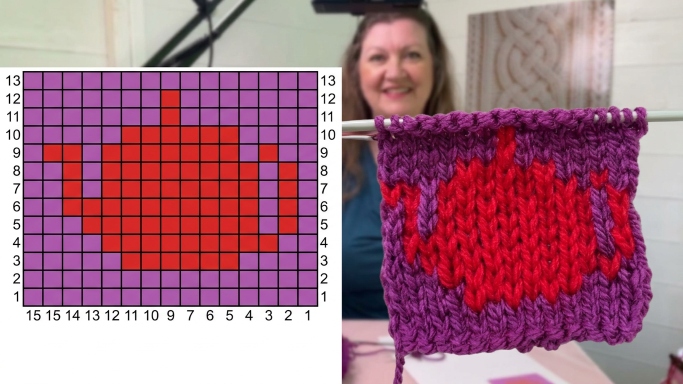
Fair Isle Knitting Doesn’t Need to Be Scary
A Knitters Guide to The Best Ways to Sew Knitted Arms Legs Tails and Long Thin Knitted Tubes
What To Do When Your Knitting Does Not Match The Pattern Photos
How to Sew Up Knitting Seams Neatly with Mattress Stitch Photo Tutorial for Tea Cosies
Get Ahead with the Tea Cosy Head Stabilizer – How to Sew a Knitted Head onto a Tea Cosy
Knitted Textures for Tea Cosies and How Stitch Patterns Help Trap Heat
What’s the Best Stitch for Sewing Up Knitting?
Mastering K3tog - A Knitter’s Guide to the Knit Three Together Stitch
Designing Animal-Themed Tea Cosy Knitting Patterns
Tea Cosy Knitting Tutorial of How to Pick Up Stitches from the Cast-On Edge for a Stretchy Hem
What’s the Best Yarn for Knitting Tea Cosies? A Designer’s Guide to Fibre, Function, and Flair
How to Mark Along a Row in Knitting - Tea Cosy Tips and Techniques
Free Sewing Pattern to Make a Mannequin for Your Chocolate Orange Covers
Knit 1 Under Loose Strand (K1 ULS) Textured Knitting Stitch Tutorial and Tea Cosy Pattern Ideas
Stitches That Go Bump in the Brew. A Knitter's Guide to Halloween Tea Cosy Patterns
Technique to Knit a Vintage Tea Cosy That Looks Like a Traditional English Tea Cosy
The Unique TeaCosyFolk Head Stabilizer for Character Tea Cosy Heads
Easy Tea Cosy Knitting Patterns for Beginners
Bubble Stitch Help Add Texture and Charm to Your Knitting
Overlap Joining in Knitting A Stretchable Seam-Free Technique
How to Begin with a Scallop Edge A Decorative Start to Your Knitting Project
How to Design a Tea Cosy for Any Teapot Size
Free Tea Cosy Knitting Patterns
How to Design a Tea Cosy A Guide for Crafty Creators
Useful Information
About usAbout Suzy Cowper
Blog
Vlog
Terms & Conditions
Terms of Use
Privacy Policy
Security
Sitemap
Log in
Get in touch





©TeaCosyFolk.co.uk 2026
 Designed and made in the UK
Designed and made in the UK