 |

Why Some Knitting Patterns Disappoint — And How to Avoid the Pitfalls
A practical look at avoiding disappointing knitting patterns. Tips on researching designers, trying free patterns and staying clear of scam pattern listings.
At a local knitting group recently, the conversation turned to something every knitter has experienced at least once: a pattern that simply does not work. Everyone had a story. A hat that came out enormous, a toy with missing instructions, a cardigan that would not fit a toddler, never mind an adult.
Knitters do love a free pattern, and there are many lovely ones available. But even when something is free, you still expect it to work. When you have spent hours knitting and paid for yarn, needles and notions, a badly written pattern feels like a real disappointment.
The landscape has also changed. It is no longer just vague instructions or hobby designers writing patterns for fun. Now there are AI‑generated scam patterns, listings with beautiful images of items that do not exist, and sellers who take your money and send nothing at all.
So how do you protect yourself? How do you avoid wasting time, yarn and enthusiasm? Here is a friendly guide to spotting reliable patterns and steering clear of the ones that will leave you frustrated.
Research the designer
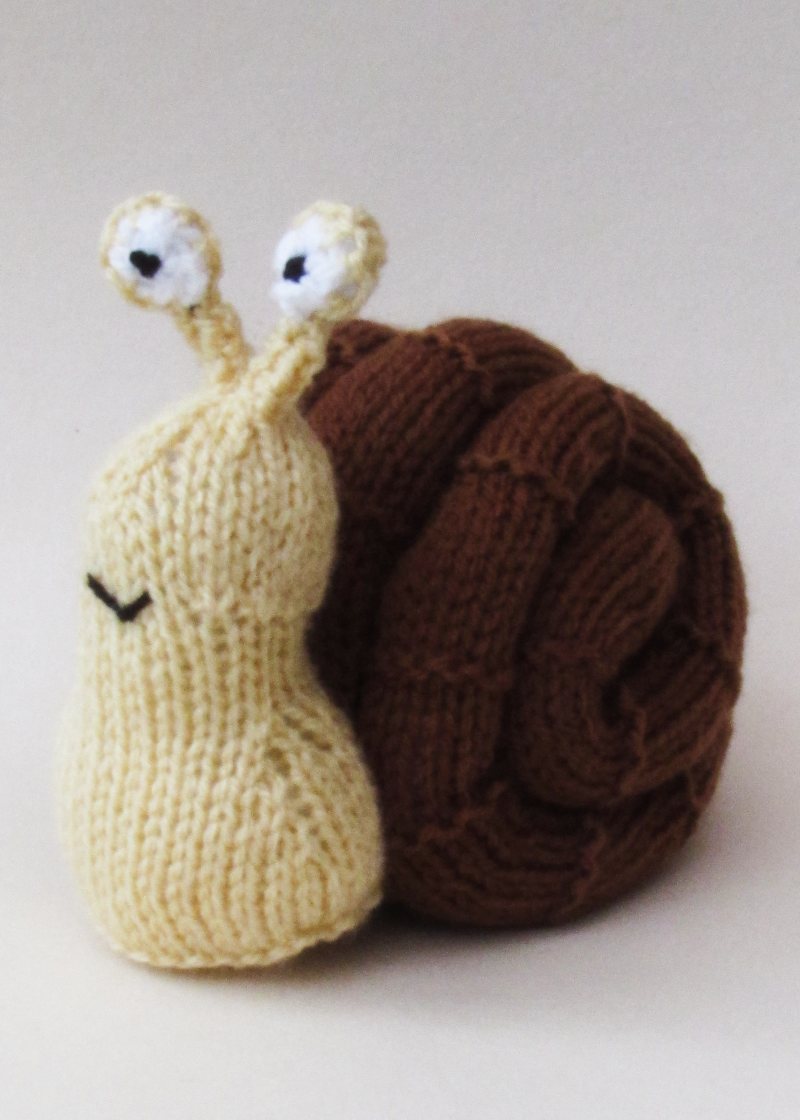
A genuine designer usually has some kind of presence online. That might be a website, a pattern catalogue, a YouTube channel, social media posts, reviews or a recognisable style.
For example, you can browse the TeaCosyFolk pattern collection here:
TeaCosyFolk tea cosy knitting patterns.
Professional designers tend to be visible because they are actively working, publishing and supporting their patterns. Hobby designers may have a smaller footprint, but you can still usually find something. If you cannot find any trace of the designer outside the listing, that is a warning sign.
Read unfiltered reviews
 Reviews on a designer’s own website are nice, but they can be curated. Independent platforms are more useful because the designer cannot remove unfavourable comments.
If you have knitted a TeaCosyFolk pattern and found the instructions clear and enjoyable, you can support the work by leaving a review here:
Leave a Google review for TeaCosyFolk.
When you read reviews, look for comments about clarity, accuracy, row counts, shaping, sewing up and whether the finished item matches the photos.
Test a free pattern first
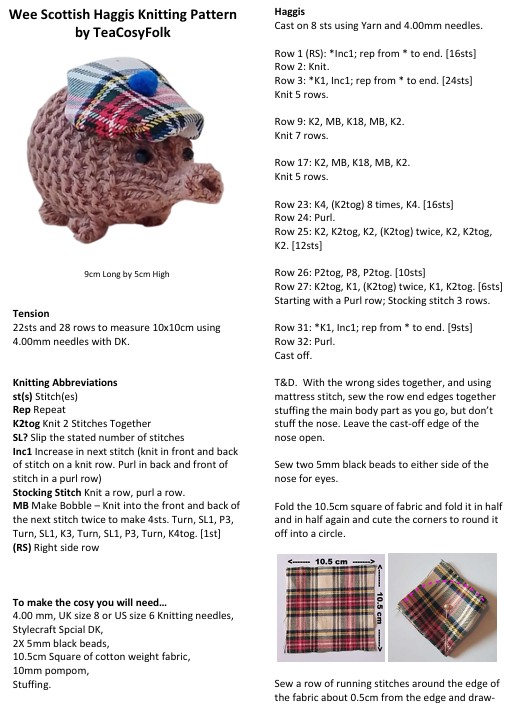
One of the best ways to see whether you like a designer’s style is to knit a free pattern, just as you might read a sample chapter before buying a book.
You can find TeaCosyFolk free patterns here:
TeaCosyFolk free knitting and sewing patterns and here:
Browse free knitting patterns at TeaCosyFolk.
A free pattern shows you whether the instructions are clear, whether standard knitting terminology is used, whether there are row counts, whether the formatting is easy to follow and whether the sewing up is explained properly. If the free pattern is confusing, the paid ones are unlikely to be better.
Be aware of AI‑generated scam patterns
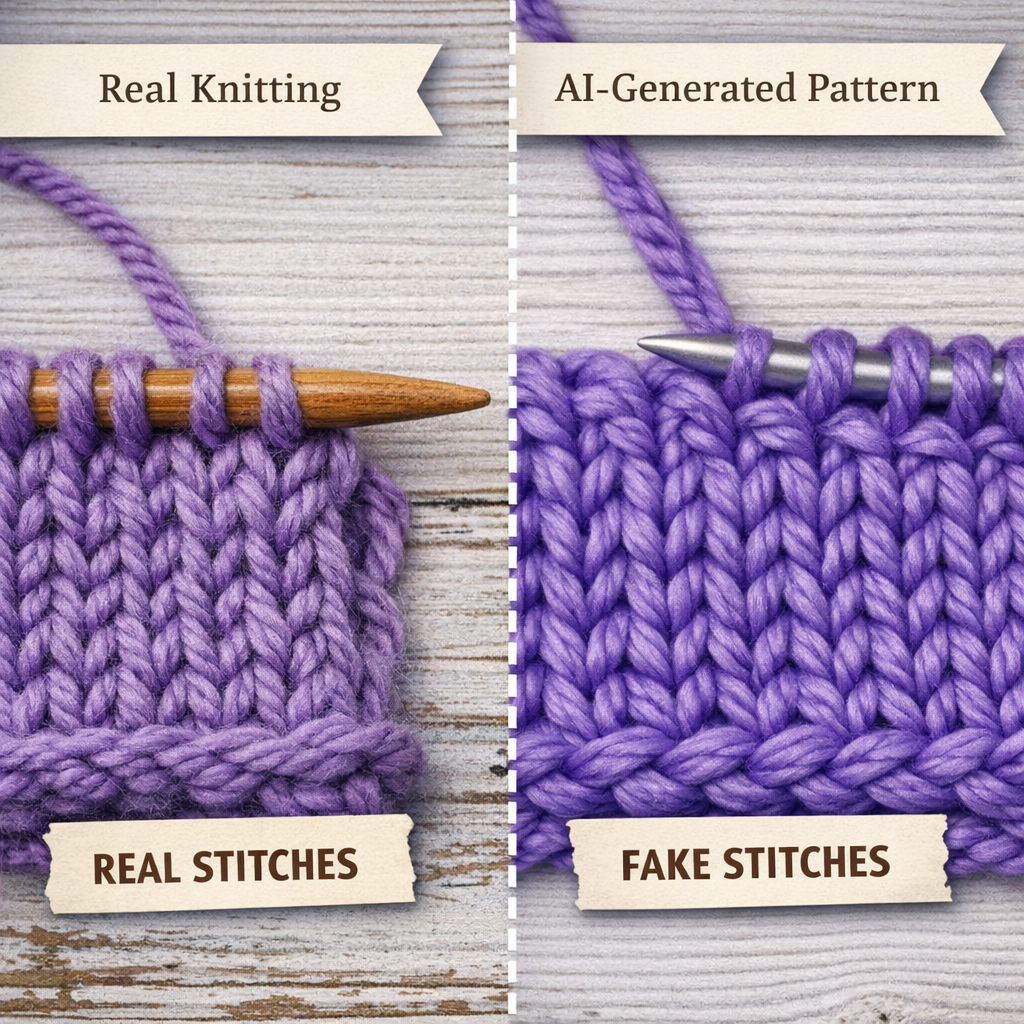
Scammers are increasingly using AI to generate fake photos of knitted items, fake pattern descriptions and listings for patterns that do not exist. You pay, and either receive nothing or receive a document that is not a usable pattern.
Signs of a scam include photos that look slightly artificial or too perfect, stitches that do not look real on close inspection, no online presence for the designer, no reviews, a shop selling a strange mix of unrelated items and vague or generic descriptions. If something feels off, it is wise to walk away.
Look for a visible body of work
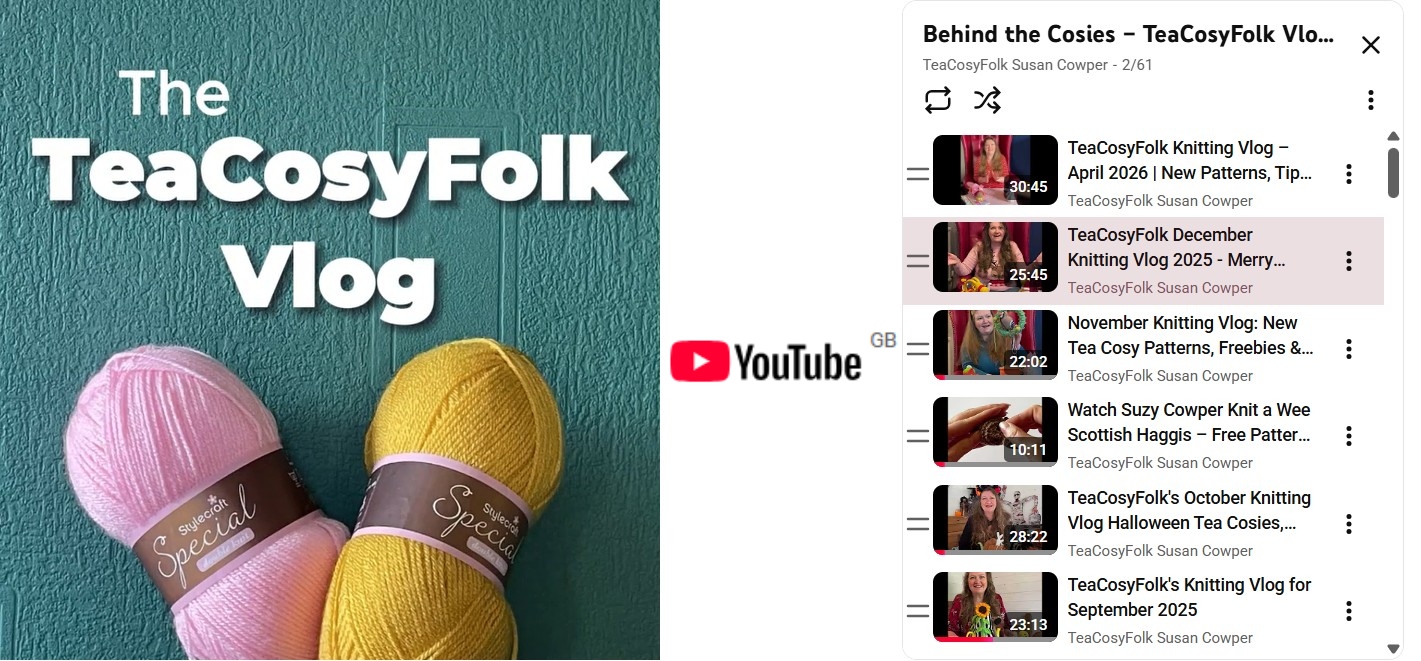
Designers who publish patterns professionally often show their work in more than one place. This might include finished items, design process, technique demonstrations and behind‑the‑scenes content.
You can see an example of this kind of presence on the TeaCosyFolk YouTube channel:
TeaCosyFolk YouTube playlists.
A visible body of work shows that the designer is real, active and invested in their craft. Hobby designers may not have time for this, which is fine, but scammers almost never do.
Look for consistency across patterns
A trustworthy designer usually has a recognisable writing style and consistent structure. You will often see similar formatting, clear abbreviations, predictable shaping methods and reliable row counts across their patterns.
If every pattern looks as though it was written by a different person, or the quality varies wildly, that can be a sign of low standards or outsourced content.
Trust your knitting instincts
Knitters develop a good sense for when something is not quite right. If you read a pattern and find yourself thinking that a decrease does not make sense, wondering why there is no stitch count, feeling that the shaping will not work, or noticing that the photo does not match the instructions, you are probably right.
A good pattern feels logical and readable even before you cast on.
Support designers who support you
The best designers are the ones who support their knitters. They answer questions, update patterns when needed, provide corrections, offer free resources, knit their own samples and care about clarity.
By choosing to knit from designers who are present, helpful and consistent, you help to keep good quality patterns available for everyone.
Final thoughts
Knitting should be enjoyable, not stressful. A well written pattern is a pleasure to follow, and a badly written one can drain your enthusiasm quickly.
By researching designers, reading unfiltered reviews, testing free patterns and staying alert to AI‑generated scams, you can avoid the disappointment of unclear or unreliable patterns and enjoy your knitting with confidence.
If you would like to explore a collection of characterful, sculptural tea cosy patterns from an established designer, you can browse the main TeaCosyFolk range here:
TeaCosyFolk tea cosy knitting patterns.
FAQ: Avoiding Disappointing Knitting Patterns
Why do some knitting patterns not work properly?
Some patterns are written by hobby designers who may not include full row counts, shaping details or clear sewing-up instructions. Others are rushed, untested or copied from older patterns without updates. In recent years, AI-generated scam patterns have also appeared, which look convincing but are not real patterns at all.
How can I tell if a knitting pattern is written by a reliable designer?
Look for a designer with a visible online presence. A website, social media, YouTube videos, reviews and a recognisable style all help show that the designer is genuine and active. If you cannot find any trace of the designer outside the listing, that is a warning sign.
Are free knitting patterns a good way to test a designer?
Yes. Free patterns are an excellent way to see whether you like a designer’s writing style. You can check clarity, row counts, terminology, formatting and sewing-up instructions before buying a paid pattern. If the free pattern is confusing, the paid ones are unlikely to be better.
How can I avoid AI-generated scam patterns?
Be cautious of listings with perfect or artificial-looking photos, no reviews, no designer information and vague descriptions. Shops selling a mix of unrelated digital items are also a red flag. If something feels off, it is safer to avoid it.
Should I read reviews before buying a pattern?
Yes. Independent reviews on Google, Etsy, Ravelry and social media are more reliable because the designer cannot remove negative comments. If you have enjoyed TeaCosyFolk patterns, you can leave a review here:
Leave a Google review for TeaCosyFolk.
Is it helpful if a designer has a YouTube channel?
It can be. Designers who publish patterns professionally often show their finished items, talk about their design process and demonstrate techniques. This helps confirm that the designer is real and experienced.
What should I do if I find a pattern I like but I am unsure about the designer?
Research the designer, read reviews, and if they offer a free pattern, knit that first. This gives you a clear sense of their writing style and whether their instructions suit you.
How can I support designers who write clear, reliable patterns?
Buying patterns, sharing finished projects and leaving honest reviews all help. Supporting designers who care about clarity and accuracy helps keep good-quality patterns available for everyone.
If you would like to discover well-written, characterful patterns from an established designer, browse the TeaCosyFolk range here: TeaCosyFolk tea cosy knitting patterns and enjoy knitting with clarity and confidence.
Tags:
knitting patterns, badly written knitting patterns, avoid scam knitting patterns, AI knitting pattern scams, reliable knitting designers, free knitting patterns, test free knitting patterns, knitting pattern reviews, how to choose knitting patterns, knitt