 |
Basket
0 items, £ 0.00

Blocking, Washing and Long Term Care - What Really Happens After the First Block
Blocking confuses knitters because every fibre behaves differently after washing. Here’s the clear answer: most natural fibres need re blocking, but TeaCosyFolk acrylic cosies don’t. With acrylic, a gentle wash, a flat dry and one warm teapot session will reset the cosy perfectly without pins. This guide explains why acrylic responds to heat, how to reshape a cosy after washing and the simple method that keeps TeaCosyFolk designs looking new.
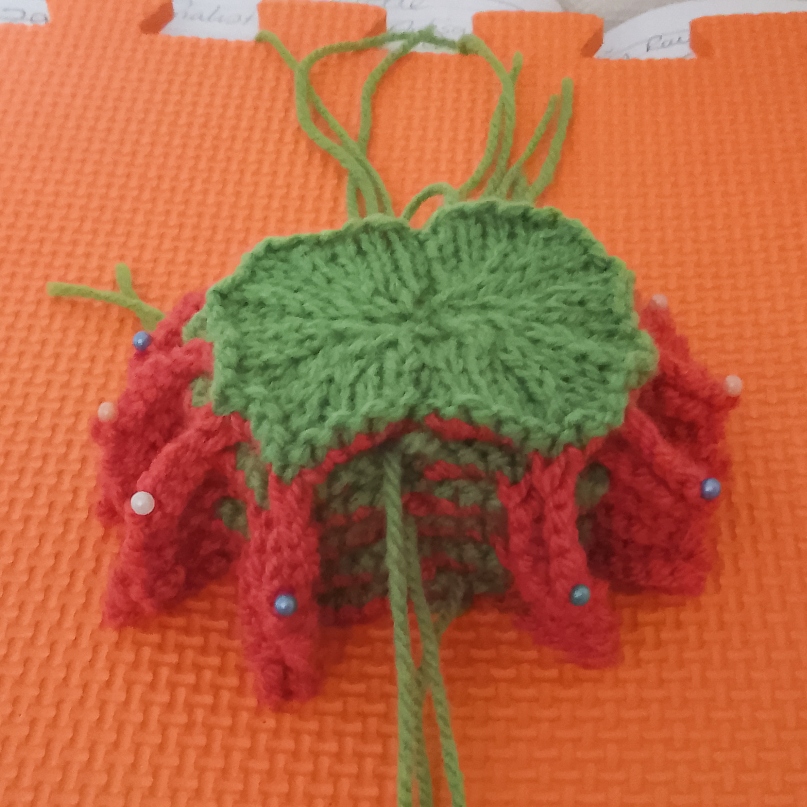 Every knitter has heard of blocking, but few understand what happens after that first block, and that is where this guide begins.
Blocking is one of the most misunderstood parts of knitting. Most knitters learn how to block a finished piece, but very few are taught what happens after that first block, and that is exactly why people are confused: some say you never need to block again, some say you always do, and some say it depends on the fibre.
The truth is simple. Washing relaxes fibres. When fibres relax, the shape you set during blocking softens. So yes, most knitted items benefit from being blocked again after washing, but the method depends entirely on the fibre.
Here is the general rule:
• Wool and natural fibres: washing removes the set created during blocking, so they usually need to be blocked again.
• Acrylic and synthetic fibres: they do not behave like wool, and they do not need full re‑blocking with pins.
Blocking and Washing: The General Answer
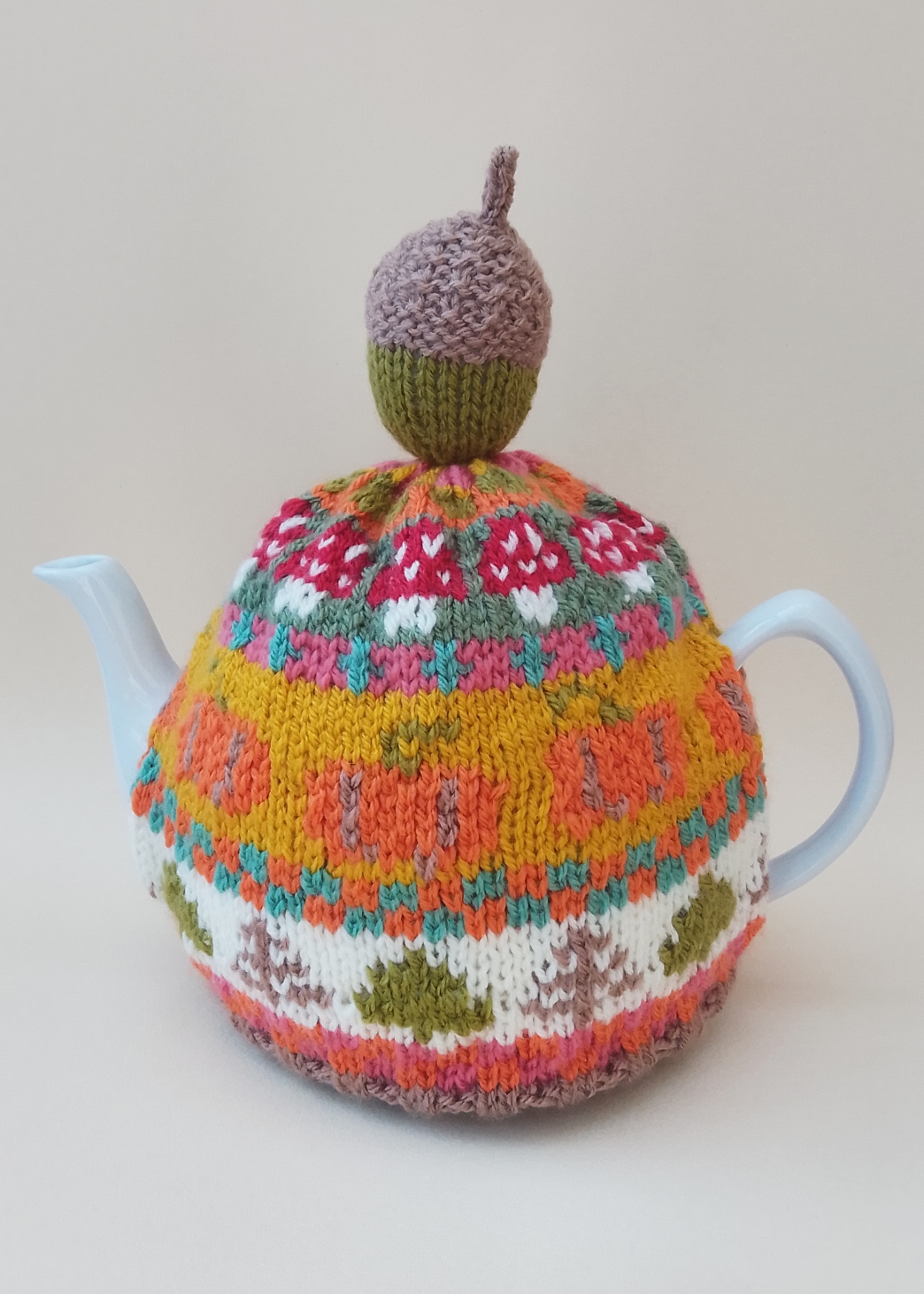 Blocking is simply shaping the fabric while it dries. When you wash a knitted item, the fibres swell, relax and shift. This means the original blocked shape loosens. For wool, alpaca, mohair and other natural fibres, the structure changes enough that you usually need to block again to restore the shape.
Some knitters block lightly every wash. Others only block lace or items that need precise dimensions. Some knitters use pins; others simply lay the item flat and smooth it repeatedly as it dries. All of these methods work depending on the fibre and the item.
The key point is this: washing is blocking. If you wash an item and lay it flat to dry in the correct shape, you have effectively blocked it again.
Tea Cosies: What Happens After Washing
Tea cosies are a special case because they are shaped objects that must fit a pot. They also experience heat, steam and handling. This means they behave differently from shawls, sweaters or scarves.
Here is the correct care method for tea cosies, especially TeaCosyFolk designs.
Acrylic Tea Cosies: The TeaCosyFolk Method
TeaCosyFolk cosies are made with acrylic yarn. Acrylic behaves differently from wool because it is a plastic‑based fibre. Heat softens it. Cooling sets it. This is the key to caring for acrylic tea cosies.
After washing, you do not need to pin acrylic cosies. Instead:
Wash gently by hand.
Press out excess water in a towel.
Lay the cosy flat.
Smooth it into the correct shape.
Let it dry naturally.
Acrylic will dry in the shape you set without pins. That is one of its advantages.
The First Use After Washing: A Perfect Opportunity to Reset the Cosy
 This is the part most knitters do not know.
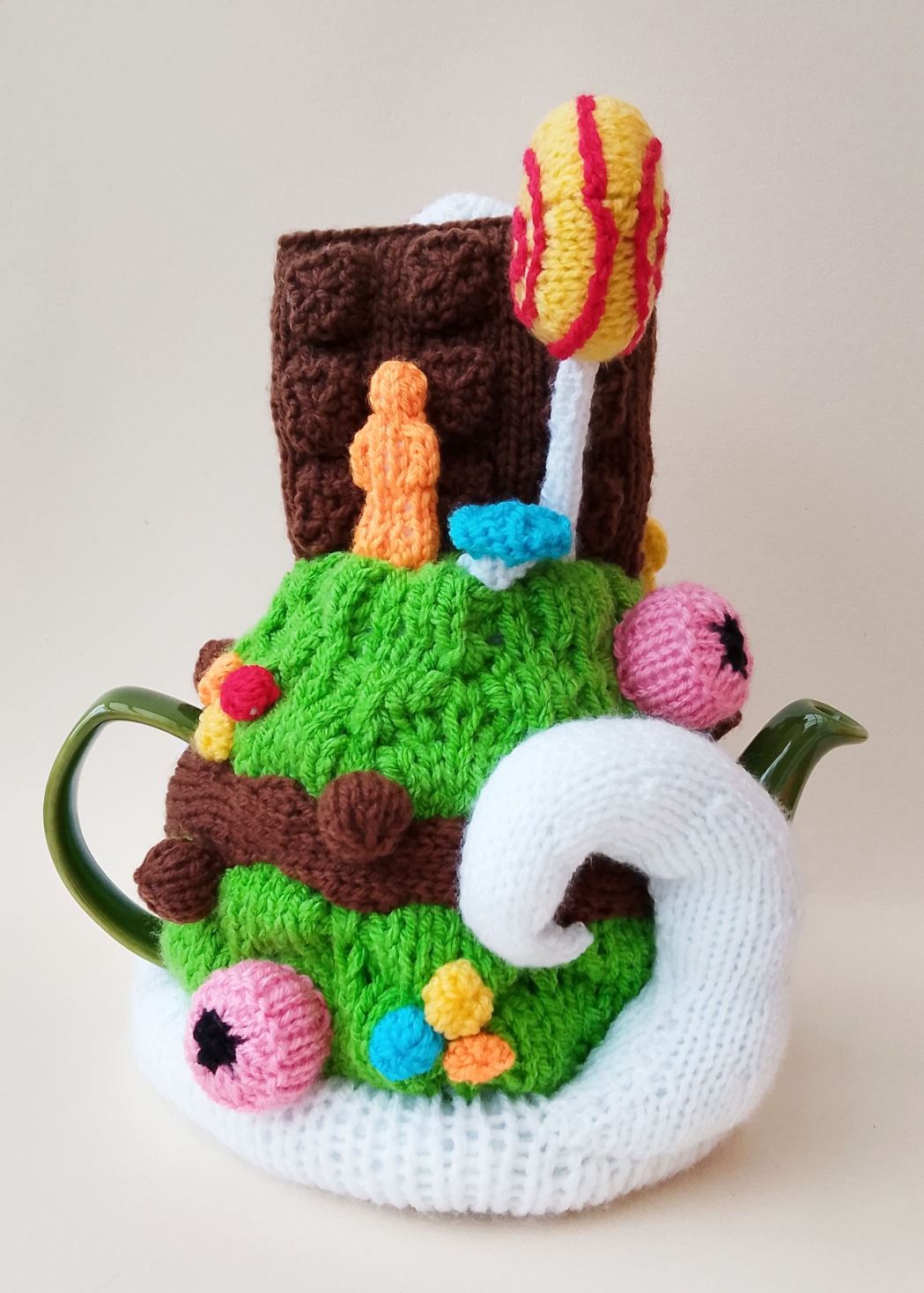
When you place a freshly washed acrylic tea cosy onto a warm teapot, the heat softens the fibres. Acrylic becomes slightly malleable again. This allows you to correct any small distortions that appeared during washing or drying.
Here is the TeaCosyFolk technique:
Put the cosy onto a warm (not boiling) teapot.
Gently adjust any areas that look uneven or not perfectly straight.
Smooth the sides.
Shape the top.
Leave the cosy on the pot until the pot is completely cold.
As the cosy cools, the acrylic fibres firm up again and hold the new shape. This sets the cosy back to as‑new.
Why Acrylic Behaves This Way
Acrylic is a synthetic fibre. It does not have the natural crimp or memory of wool. Instead, it softens with heat and sets as it cools. This is why:
• steam blocking works on acrylic
• heat from a teapot works on acrylic
• acrylic holds shape once cooled
• acrylic does not need pin blocking after every wash
It is a practical fibre for tea cosies because it is durable, washable and easy to reshape.
Summary
• Most knitted items need some form of re‑blocking after washing.
• Wool needs full blocking because washing relaxes the fibres.
• Acrylic does not need pin blocking; it can be reshaped with heat.
• TeaCosyFolk cosies can be dried flat and smoothed into shape.
• The first use on a warm teapot is the perfect moment to reset the cosy.
• Leave the cosy on the pot until cold to lock the shape back in.
A little care goes a long way, and that is what keeps every TeaCosyFolk cosy looking loved and lasting.
Find out more about Suzy Cowper, the knitting designer at TeaCosyFolk, or visit the Cosy Companion Guidebook for more knitting articles.
Tags: how to wash a tea cosy