 |
Basket
0 items, £ 0.00

The History of Tea Cosies; How Britain’s Favourite Brew Shaped a Household Icon
Tea has shaped British life for centuries; from royal courts to everyday kitchens, it grew from a luxury import into the nation’s favourite drink. And along the way, one humble household object became essential to the ritual. Discover how the tea cosy earned its place in history and why it remains a beloved part of the perfect brew.
The History of the Tea Cosy
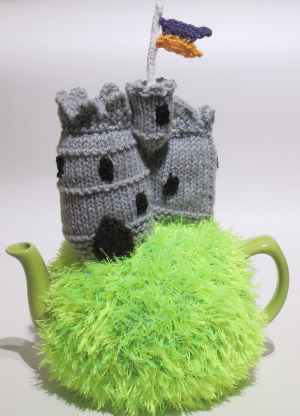 Tea arrived in Britain in the seventeenth century; it was Catherine of Braganza, the Portuguese wife of Charles II, who brought her love of tea to court and set the fashion. At first, tea was a luxury import; expensive, rare, and treated as a status symbol. Wealthy households kept their tea locked away in ornate tea caddies with keys that only the mistress of the house possessed. Tea was served to guests as a sign of refinement, and the ritual surrounding it became part of Britain’s growing social culture.
Tea also became popular because it was safe. Boiling the water killed germs, which made tea a healthier choice than the everyday drinks available to most people. Commoners often drank beer because the alcohol made it safer than untreated water; as tea became more affordable and more widely imported, it gradually replaced beer as the everyday drink. By the eighteenth and nineteenth centuries, tea had become Britain’s national beverage, enjoyed across all classes and woven into daily life.
Traditionally, tea is made in a teapot. A pre‑heated teapot keeps the water hotter for longer, giving the essential oils in the tea more time to infuse; the teapot also gives loose leaves or a teabag room to circulate, which improves flavour. While the tea is brewing, the teapot inevitably loses heat, and this is where the tea cosy enters the story. The tea cosy was designed to keep the teapot hot and to extend the brewing process; it insulates the pot, protects the temperature, and ensures the tea stays warm enough to serve at its best.
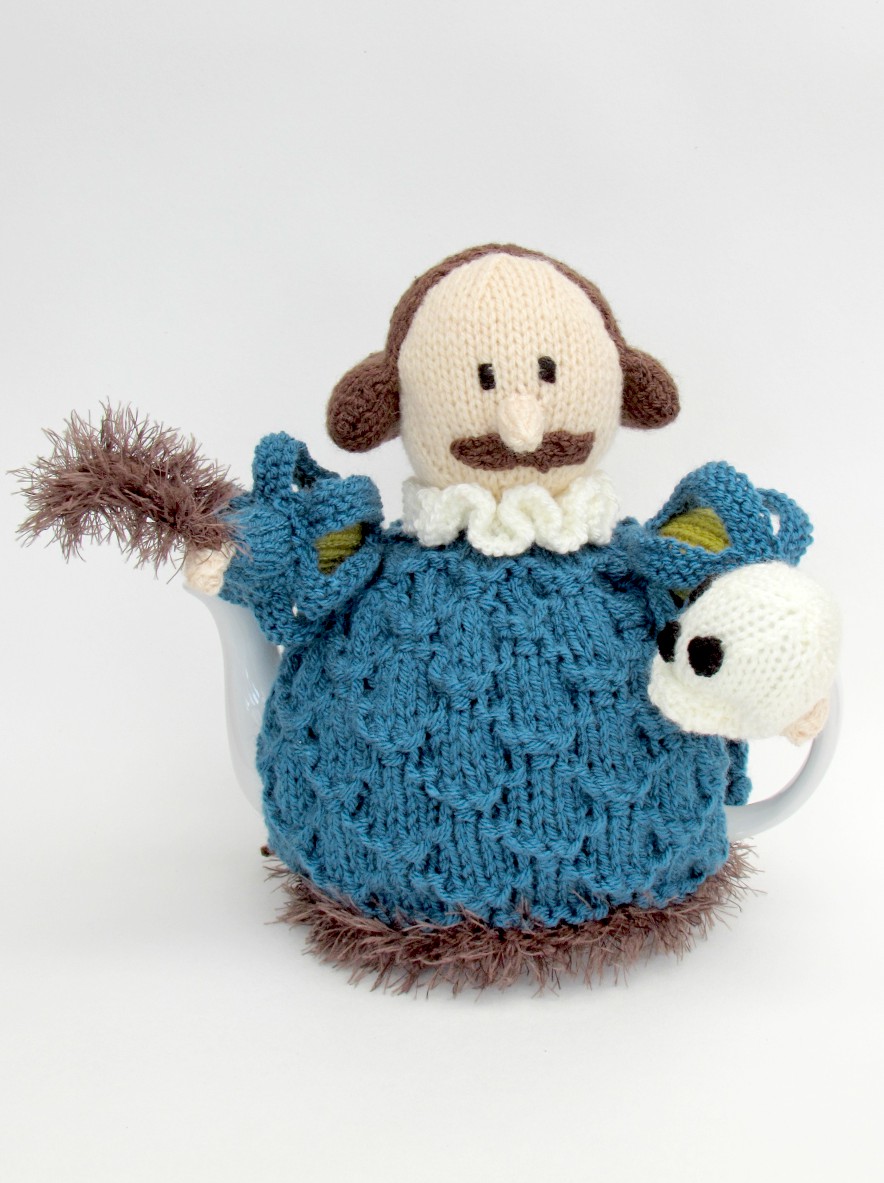 Tea cosies developed in different styles. Some are lift‑off cosies that sit over the entire teapot; others are fitted designs with openings for the spout and handle. People often debate which type keeps the teapot hotter; the lift‑off style offers full insulation, while the fitted style offers more practicality during pouring. Both work well; both keep the heat that little bit longer; and both have become part of the traditional British tea ritual.
Today, tea cosies are enjoyed not only for their function but for their creativity. From classic knitted designs to modern novelty patterns, they remain a charming part of tea culture and a reminder of how a simple household object grew from centuries of British tea history.
If you prefer your tea cosies ready to use rather than ready to knit, you can explore my full collection of finished TeaCosyFolk cosies here.
Tags: