 |

Fair Isle Knitting Doesn’t Need to Be Scary
A gentle, confidence‑building guide to Fair Isle knitting for beginners. Learn easy two‑colour techniques and build your Fair Isle confidence one stitch at a time with our tutorial video.
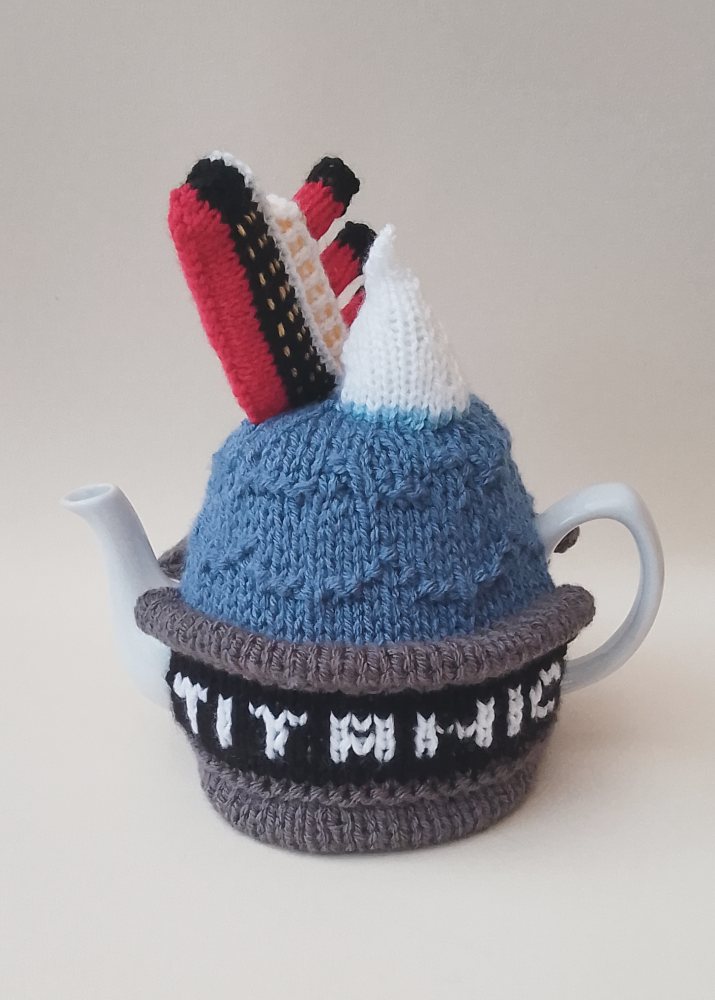 This image shows the Titanic Tea Cosy with its simple Fair Isle lettering section — a perfect beginner-friendly way to try two‑colour knitting without tackling a full Fair Isle sweater pattern. |
Fair Isle Knitting The Cosy Companion Guide
Welcome to your Fair Isle Cosy Companion, a friendly guide to help you try colour work with confidence. Whether you’re brand new to Fair Isle or just need a refresher, this page brings together tips, tutorials, and beginner‑friendly tea cosy patterns to help you get started.
For many knitters, fair isle knitting patterns feel like a barricade between them and the projects they truly love. The idea of working from a chart or knitting with two or more colours can seem complicated and that worry alone is enough to stop people casting on. It’s such a shame, because if you already enjoy knitting, you’ve mastered the hardest part. The colour work is simply another technique, not a mountain.
If you’re new to this style, you’ve probably searched for fair isle knitting for beginners or looked for a simple pattern with a small chart and just two colours. That’s exactly what helps you build confidence: something manageable, achievable and enjoyable. You’re certainly not hunting for a full fair isle sweater pattern right now. Luckily, the Titanic Tea Cosy knitting pattern is ideal for beginners. It includes just four charted rows and uses only two colour strands; the perfect way to dip your toes into stranded colour work without feeling overwhelmed.
In the Titanic fair isle knitting tutorial, I walk you through how to knit fair isle to create the lettering on the cosy. It isn’t a traditional fair isle motif, but it uses the same principles: reading a chart, managing two colours, and keeping your tension even. I cover good practice, how to avoid common fair isle knitting tension problems and why carrying the yarn neatly at the back matters. The easiest solution is to weave the carried yarn as you go, and the tutorial shows you exactly how to catch floats in fair isle to keep your work tidy, improve your tension and reduce the amount of sewing‑in when your project is finished.
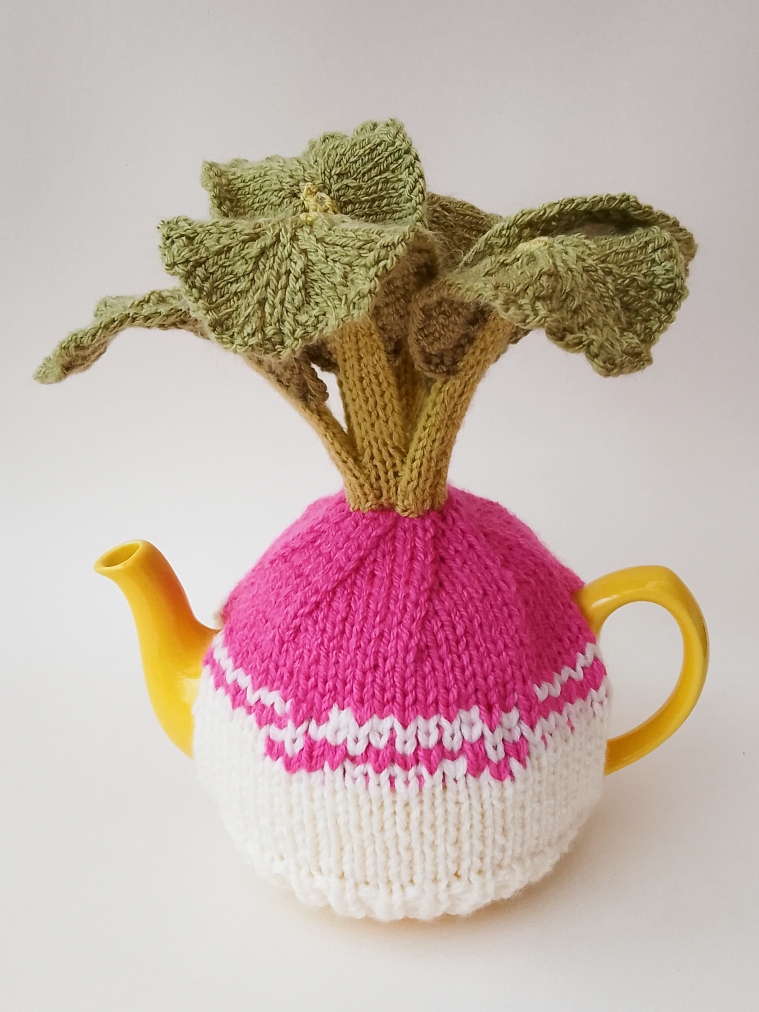
The Turnip Tea Cosy is another great Fair Isle beginners knitting pattern, using simple two‑colour stranded knitting to help you build confidence before tackling larger Fair Isle projects.
Fair Isle doesn’t have to be intimidating and with the Titanic cosy, it becomes a gentle, confidence‑building first step into colour work.
This beginner‑friendly Fair Isle tutorial is perfect if you’re nervous about colour work or want to practise simple stranded knitting techniques.
How to Knit Fair Isle: A Beginner‑Friendly Tutorial
The TeaCosyFolk Fair Isle tutorial shows you how to knit the lettering on the Titanic Tea Cosy using simple two‑colour stranded knitting. This step‑by‑step video shares practical tips and easy hacks for working Fair Isle, helping you build confidence with colourwork even if you’re a beginner. You’ll learn how to read a Fair Isle knitting chart, catch floats neatly, and keep your tension even — all essential skills for anyone wanting to try traditional Fair Isle techniques for the first time.
Feeling Brave? Here are a few more fair isle knitting patterns for tea cosies
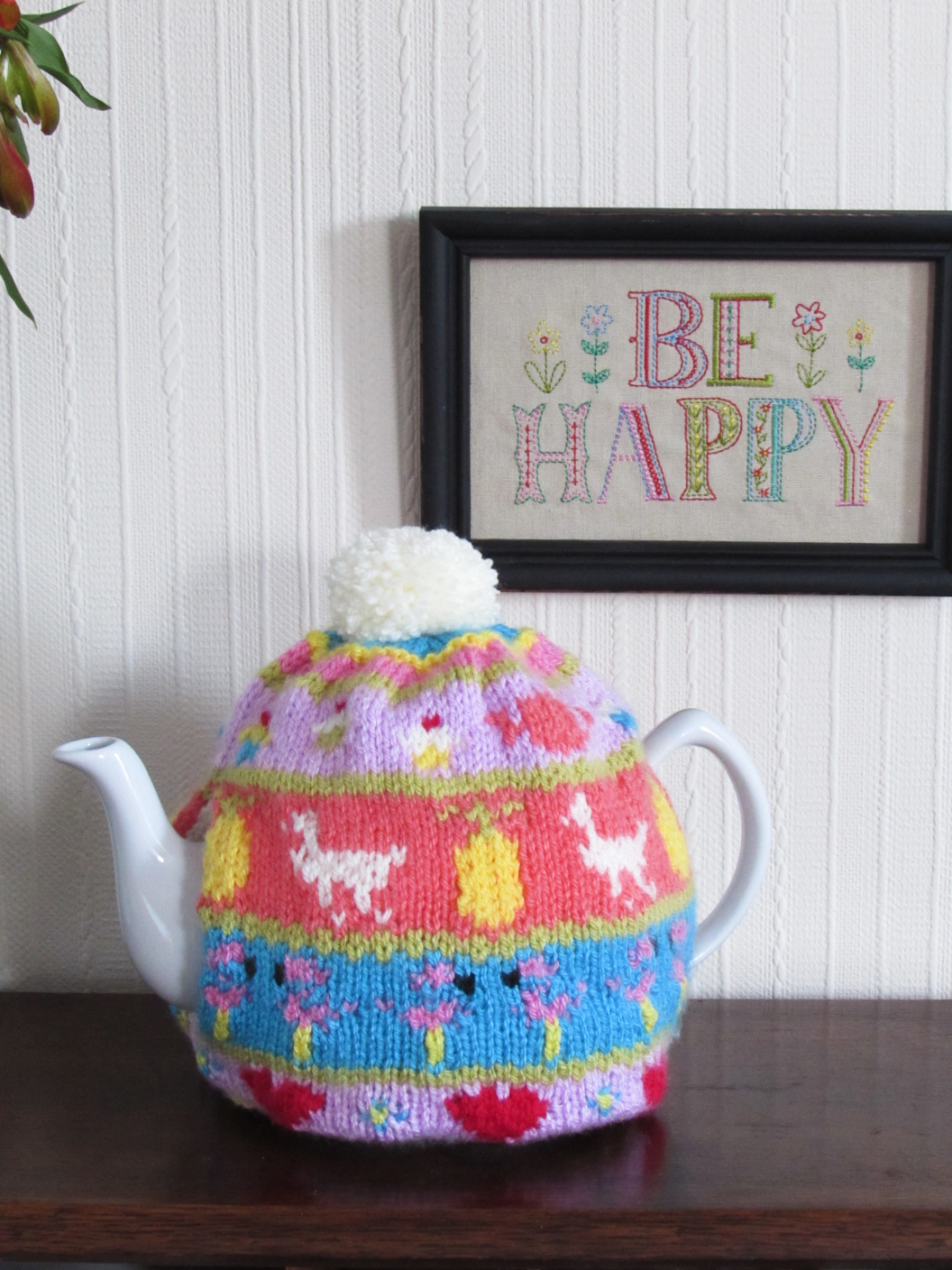 The My Favourite Things Tea Cosy features simple Fair Isle colourwork motifs, ideal for knitters wanting to try small, manageable stranded designs. | 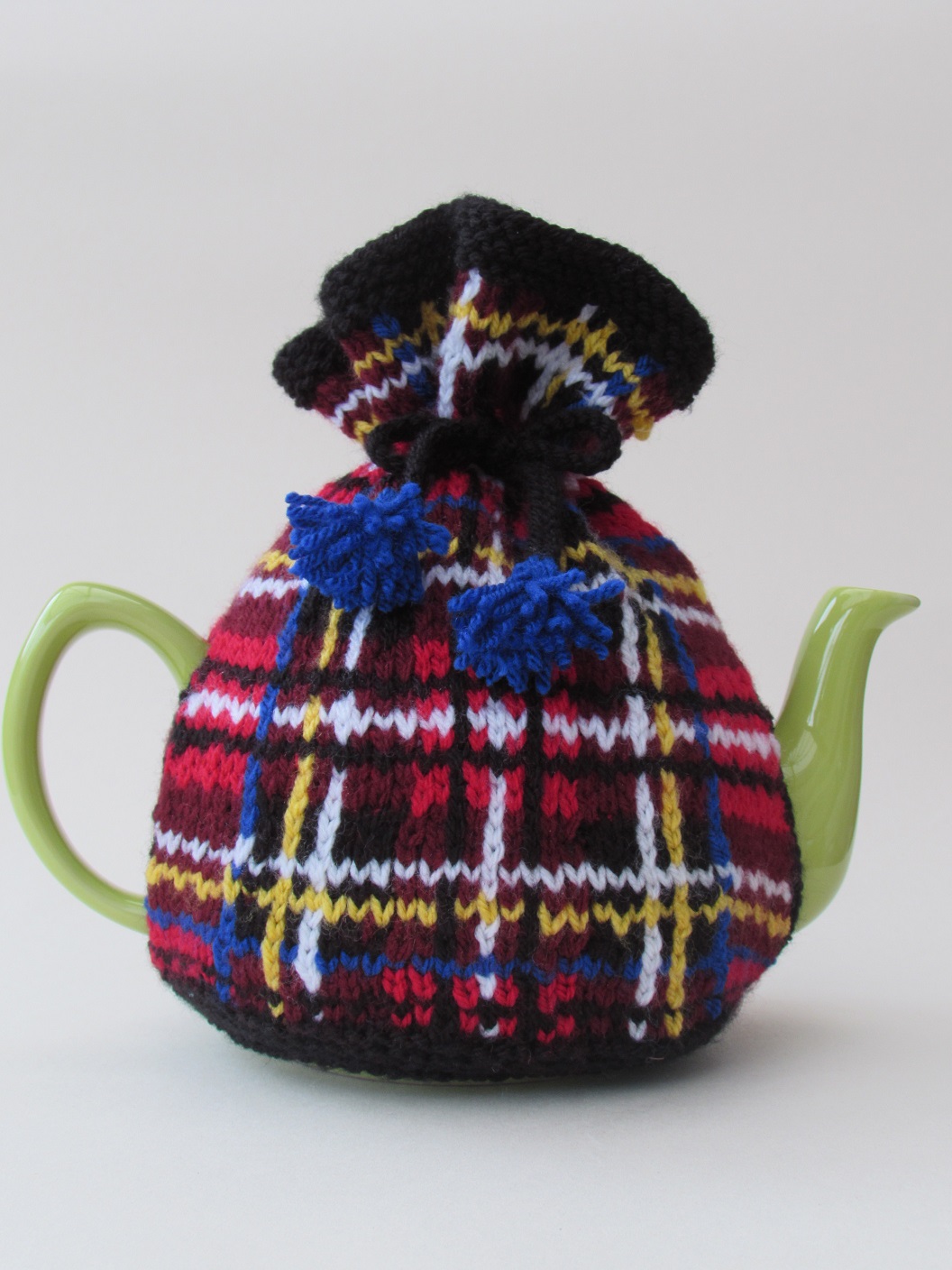 The Stewart Tartan Tea Cosy uses classic colourwork techniques inspired by traditional tartan patterns, perfect for practising neat stranded knitting. | 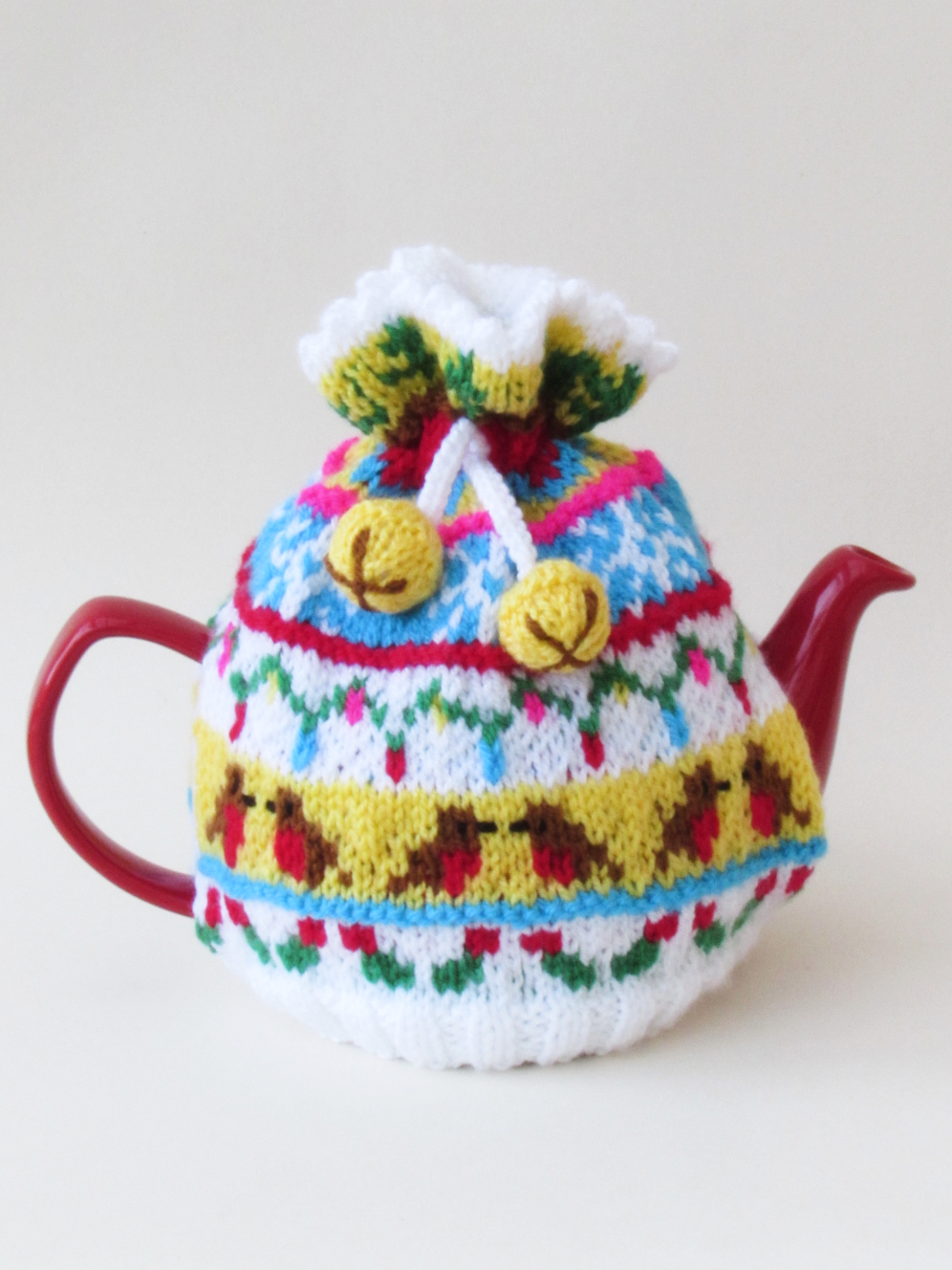 The Jingle Bells Christmas Tea Cosy includes cheerful festive colourwork, a fun way to build confidence with simple stranded knitting. |
Fair Isle FAQs
Is Fair Isle knitting hard for beginners?
Fair Isle often feels scarier than it really is. At its heart, it’s just knitting and changing yarns mid‑row. With a few quick tips in your back pocket, you’ll find it different but absolutely manageable. Like most things, the more Fair Isle you do, the easier it becomes — and soon you’ll wonder what all the fuss was about. Just give it a go.
How do you catch floats in Fair Isle?
It’s much easier to show than to explain, but the idea is simple. As you knit with the working colour, you position the carried yarn to the right or left of the left‑hand needle so the working yarn catches it. By alternating sides every few stitches, the carried yarn is neatly woven in. This technique is demonstrated clearly in the tutorial.
If you weave the yarn in for around five stitches when you change colours, it also means you won’t need to sew in those ends later.
What is the easiest Fair Isle pattern to start with?
A simple check of one stitch in Yarn A and one stitch in Yarn B is technically the easiest, but it doesn’t teach you how to carry yarn or manage tension. The Titanic or Turnip tea cosies are ideal beginner Fair Isle patterns because the chart is only four rows deep and just 28 stitches wide — a perfect, gentle step outside your comfort zone.
How do I keep my tension even in Fair Isle knitting?
Relax your hands, spread your stitches out on the right‑hand needle, and avoid pulling the carried yarn too tightly. A gentle, even rhythm helps keep your colour work smooth and prevents puckering. Catching the floaters as you go is key to helping maintain even tension.
Ready to try Fair Isle? Start with the Titanic Tea Cosy pattern — perfect for beginners.
Tags: sim