 |
Basket
0 items, £ 0.00

The Changing World of Knitting From Traditional Patterns To Today’s Online Craft Culture
Knitting has changed so much over the generations, moving from quiet evenings with a pattern and a ball of yarn to a lively and connected craft community. Even with all the new ways to share and learn, the heart of knitting is still the same and it brings people together.
 Paid link disclosure. This article contains a paid link to Crazypatterns as part of the Crazypatterns blog compensation programme.
Knitting has changed so much over the years and it is lovely to look back and see how the craft has grown and adapted. When I think about how my grandmother knitted, it feels like a different world. She would buy a pattern from the yarn shop or find one in a magazine and then she would knit the item at home. It was a quiet and solitary activity for her. She did go to handicraft once a week, which was really an excuse for a bit of social interaction with some knitting or crochet on the side. It was a small circle of women who enjoyed each other’s company and shared their skills in person.
Back then, patterns were limited to whatever the local shop stocked or whatever happened to be in that month’s magazine. If you wanted something different, you had to wait for the next issue or hope the shop owner ordered something new. There was no instant access to thousands of designs and no way to browse patterns from around the world. Knitting was shaped by what was physically available.
Yarn shops were practical places. They sold yarn, needles and patterns and that was about it. These days yarn shops have had to evolve because so many people buy yarn online. Shops now offer far more than just yarn. They stock natural fibres, hand dyed skeins and hand spun yarns that are one offs. These special yarns make a knitted garment feel truly unique and they give knitters a reason to visit in person. Many shops also run workshops, knit and natter sessions and events that bring people together. The social side has become just as important as the products.
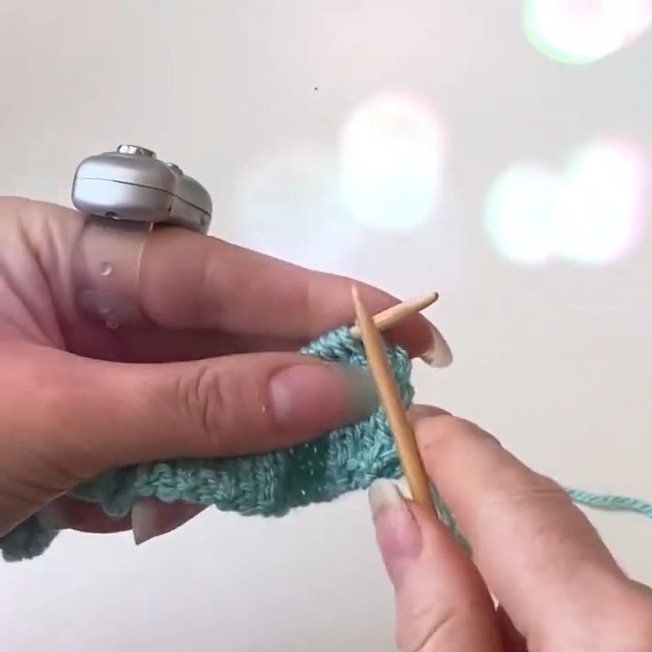 The way knitters solve problems has changed too. If my grandmother got stuck on a pattern, she either changed the bit she did not understand or she asked her mother or her knitting friends. She was such an experienced knitter that people often turned to her for help. She was patient and a good teacher and she enjoyed passing on her knowledge. Today, if we get stuck, we can watch a help video, search for advice or ask the online knitting community. Answers are instant and there is always someone who has knitted the same thing before.
Technology has changed how we share our knitting as well. When people begin a project now, they often take photos of the yarn and the cast on and they document the whole journey. These pictures are uploaded to social media and knitting platforms and the project becomes something shared rather than something done quietly at home. When the item is finished, people proudly post photos and their friends and followers enjoy seeing the result. It has made knitting feel more connected and more visible.
For knitters, technology has been a great tool. It has brought the community closer together and made it easier to share ideas, learn new skills and enjoy other people’s work. It has opened the door to patterns from all over the world and made it possible to download them without leaving the house. It has also made it easier for designers to share their work and for knitters to support independent creators. You can find a huge range of patterns on Crazypatterns and it is lovely to see how diverse the knitting world has become.
Even with all this technology, the old knit and natter groups are still the heart of the craft. There is something special about sitting with other knitters and chatting about everything from local news to family stories to ideas for the next project. It is a warm and friendly space where yarn appreciation and social interaction blend together. These gatherings have been around for centuries. In pre Victorian years, young girls who had been knitting since they were four years old would gather together to chatter as they worked. They knitted to earn money for the family and the social side grew naturally from spending long hours together. It is funny that this tradition has carried on, not because anyone set out to preserve it, but because knitting brings like minded people together and friendships form easily over balls of yarn.
Knitting has changed in so many ways, yet the heart of it remains the same. It is still a craft that brings comfort, creativity and connection. Whether you knit quietly at home, share your projects online or meet with others in person, the joy of knitting continues to grow and adapt with each generation.
If you are looking for your next project, you can browse all my knitting patterns here.
Tags:
knitting history, how knitting has changed, modern knitting community, traditional knitting, online knitting patterns, yarn shops today, social knitting, knitting generations, knitting and technology, knitting community online, evolution of knitting, knit